
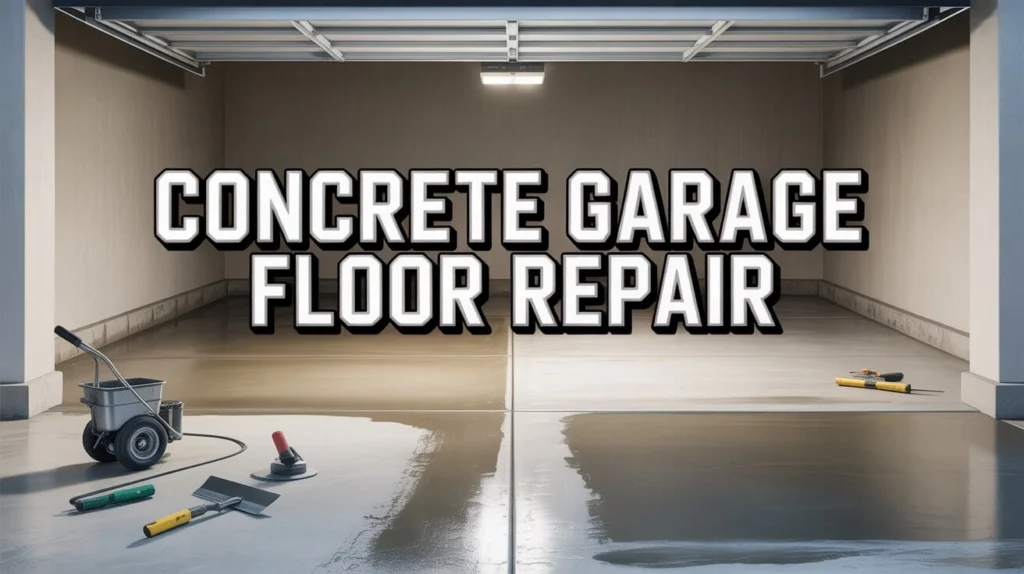
A cracked or damaged garage floor can be more than just an eyesore—it can become a safety hazard, damage your vehicles, and even lower your home’s value. As someone who has spent years helping homeowners maintain their garages, I’ve seen the transformation a well-repaired concrete floor can bring. In this guide, I’ll walk you through practical, proven methods for concrete garage floor repair, including real-life examples, expert tips, and long-lasting solutions.
Content
Why Concrete Garage Floor Repair Is Essential: Common Causes of Cracks
Concrete is strong but not indestructible. Over time, garage floors can develop cracks, pits, or uneven surfaces due to:
- Temperature changes: Freezing and thawing cycles can cause concrete to expand and contract, leading to cracks.
- Heavy loads: Vehicles, equipment, or constant foot traffic put stress on the surface.
- Moisture penetration: Water seeping under the concrete can weaken the foundation.
- Poor installation: Floors that were not leveled or reinforced properly are more prone to damage.
Identifying the type of damage is the first step in planning an effective concrete garage floor repair.
Tools and Materials You’ll Need

Before starting, it’s important to gather the right tools and materials to ensure a smooth repair process. Here’s what works best:
Tools:
- Concrete grinder or chisel
- Trowel and putty knife
- Power drill with mixing attachment
- Protective gloves and goggles
Materials:
- Concrete patch or repair mix
- Epoxy or polyurethane sealant
- Concrete resurfacer for large areas
- Optional: epoxy garage floor coating for extra durability
Assessing the Damage
Start by evaluating your garage floor carefully. Small hairline cracks may only require a simple filler, while deeper cracks or uneven sections may need concrete garage floor repair or even polished concrete preparation for a smooth, durable finish. Look for:
- Length and width of cracks: Cracks wider than 1/4 inch usually need more extensive repair.
- Depth: Deep cracks that extend into the slab may require concrete grinding before filling.
- Uneven areas: Check for slopes or dips that could trap water and weaken the surface.
Accurate assessment helps prevent repeated repairs and ensures your floor remains strong, level, and ready for long-lasting results
Step-by-Step Concrete Garage Floor Repair
1. Preparation
Preparation is crucial. Clear the garage, sweep debris, and wash the floor. Let it dry completely. Proper preparation ensures that repair materials bond well with your concrete.
2. Filling Cracks and Holes
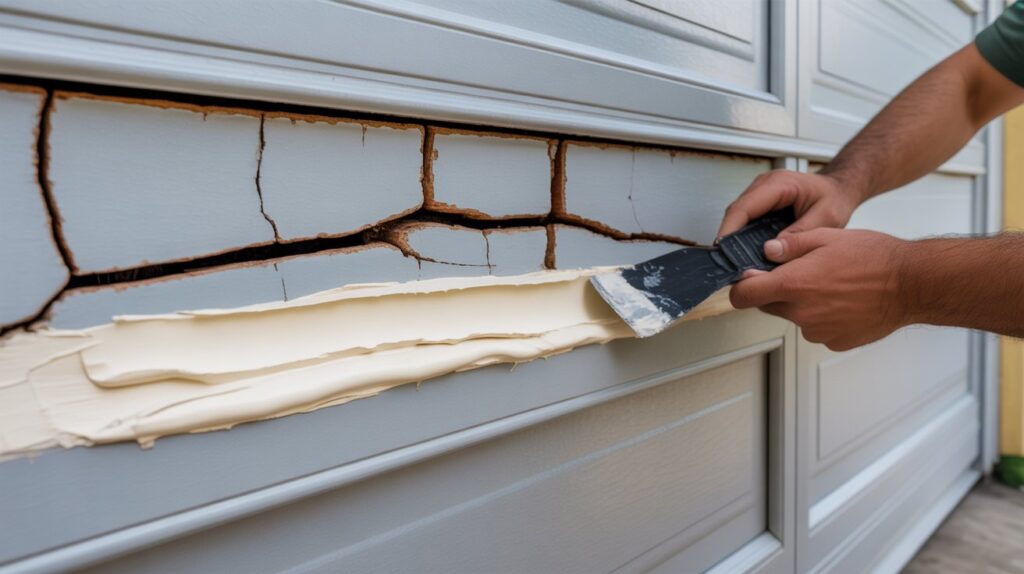
For small cracks, use a concrete crack filler or patching compound. Apply it with a putty knife, press firmly into the crack, and smooth the surface. For larger holes, mix a concrete patch with water according to instructions and use a trowel to fill the gaps.
3. Leveling the Floor
Uneven sections can be leveled using a self-leveling concrete resurfacer. Pour the resurfacer on the low spots, spread it evenly with a trowel, and let it cure for the recommended time. This step restores a flat, uniform surface.
4. Resurfacing and Sealing
For worn or heavily damaged floors, consider resurfacing the entire garage floor. A thin layer of concrete resurfacer gives your floor a fresh, durable surface. Once cured, applying a sealant or epoxy garage floor coating completes the concrete garage floor repair and protects against future damage, stains, and moisture.
Real-Life Case Study: The Johnson Garage Floor Transformation
Last year, the Johnson family in Dallas faced multiple cracks in their garage floor. Vehicles and water were causing the cracks to expand, and the uneven surface became a tripping hazard.Here’s how they fixed it:
- Assessment: Determined cracks were up to 1/2 inch wide with several low spots.
- Preparation: Cleared garage, cleaned floor thoroughly, and removed loose concrete.
- Repair: Filled cracks with a high-strength concrete patch.
- Leveling: Used self-leveling concrete resurfacer for dips.
- Finishing: Applied an epoxy garage floor coating for durability and shine.
Result: Within a week, the Johnsons had a flat, strong garage floor that looked almost new after their concrete garage floor repair. Their vehicles were protected, and the garage became safer for daily use.
Maintenance Tips for a Long-Lasting Floor
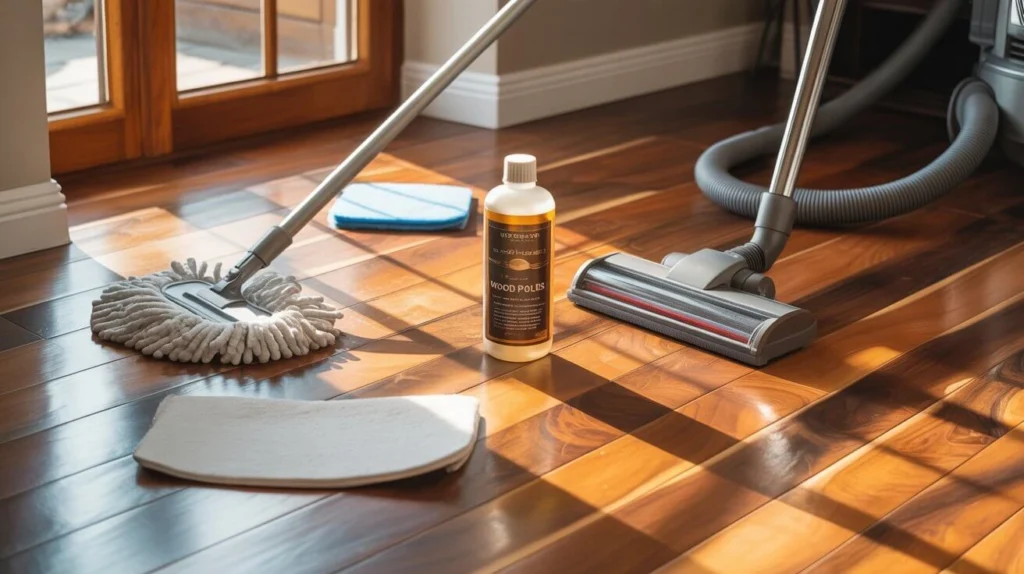
A repaired floor lasts longer when maintained properly. Here are my top tips:
- Clean regularly: Sweep and wash the floor to prevent dirt buildup.
- Seal periodically: Reapply sealant every 2–3 years for added protection.
- Avoid heavy chemical spills: Gasoline or oil can damage concrete surfaces.
- Monitor cracks: Small cracks may appear over time—repair them immediately to prevent expansion.
Final Thoughts
Repairing your concrete garage floor doesn’t have to be intimidating. With the right assessment, materials, and methods, a proper concrete garage floor repair can restore your floor to a safe, strong, and visually appealing state. Whether tackling small cracks or a full resurfacing, following these steps will help you avoid repeated repairs and extend the life of your garage floor.
If you’re unsure about larger projects or want a flawless finish, consider consulting a professional concrete garage floor repair service—they can save you time and deliver long-lasting results. A well-maintained garage floor isn’t just practical—it enhances your home’s value and creates a safer, more organized space for everyday life, especially when paired with upgrades like a Garage screen door for improved airflow and functionality.
FAQs
How to repair damaged concrete floors?
Use concrete patch, filler, or resurfacer for cracks and uneven areas to restore strength and appearance.
How much does it cost to repair a concrete garage floor?
Minor repairs cost $50–$100, while full resurfacing ranges from $500–$2,000 depending on size and materials.
How to seal the bottom of a concrete garage?
Apply a quality concrete sealant or epoxy coating to protect against moisture, stains, and wear.
How to fix sinking concrete garage floor?
Level low spots using self-leveling concrete or consider professional repair for deep sinking issues.

Alma Conklin is the sustainability enthusiast. She’s all about eco-friendly garage solutions, helping you save both money and the environment.