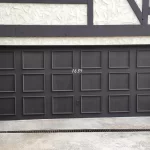
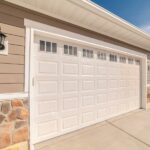
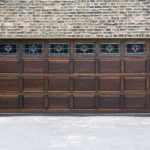
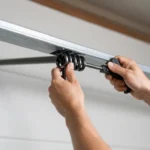
A garage door handle may seem like a small detail, but it plays an important role in both the appearance and functionality of your garage door. Whether you want to improve curb appeal, replace worn hardware, or make your garage easier to access manually, choosing the right option can make a noticeable difference.
Today’s homeowners can choose from a wide range of styles, finishes, and materials that complement everything from modern homes to rustic carriage-style garages. While some options are purely decorative, others provide a secure grip for manually opening and closing the door during power outages or maintenance.
This guide covers the different types of handles, how to choose the best one for your home, installation basics, maintenance tips, and common mistakes to avoid so you can make an informed decision.
Content
What Is a Garage Door Handle?
A garage door handle is an exterior hardware component attached to the garage door. Depending on the door’s design, it can serve a functional purpose, a decorative purpose, or both.
Many modern automatic garage doors feature decorative garage door handles to enhance their appearance, while manual doors often rely on a garage door pull handle for everyday operation.Beyond improving usability, a well-designed handle enhances your home’s curb appeal, complements the overall exterior design, and can even increase property value.
Are Garage Door Handles Functional or Decorative?
One of the most common questions homeowners ask is whether these handles are functional or purely decorative. The answer depends on the type of garage door and how it is designed to operate.
Functional Handles
Functional handles are designed to help lift or pull manual garage doors. They are commonly found on:
Detached garages
Older garage door systems
Workshop garages
Storage buildings
These handles are built to withstand frequent use and are securely fastened to the door.
Decorative Handles
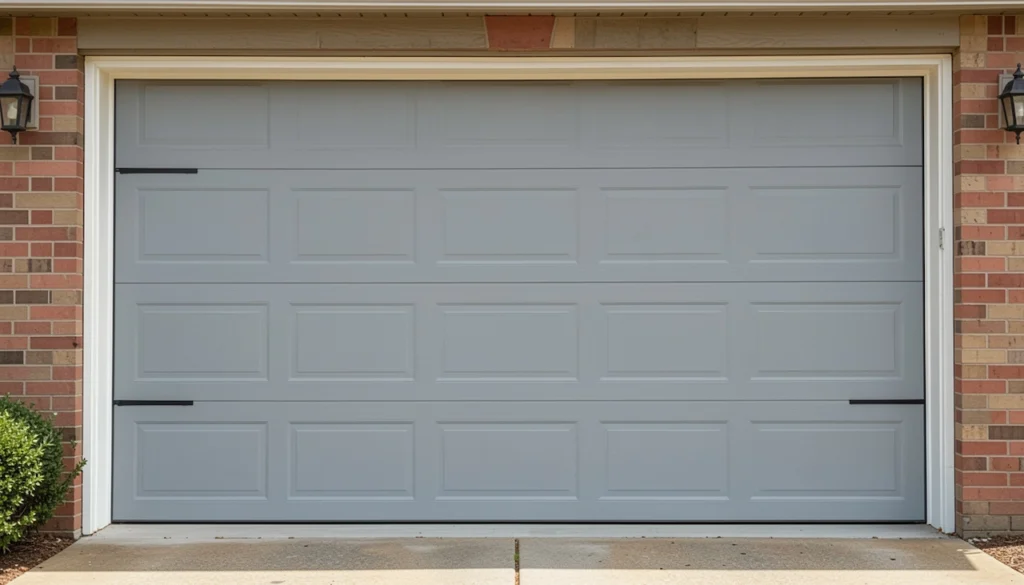
Decorative handles do not assist with opening the garage door. Instead, they create the appearance of traditional carriage-house doors while modern automatic openers handle the actual operation.Decorative hardware has become increasingly popular because it offers an affordable way to transform the look of a garage door without replacing the entire system.
Types of Garage Door Handles
Understanding the types of garage door handles helps you select hardware that suits both your home’s style and your practical needs.
Pull Handles
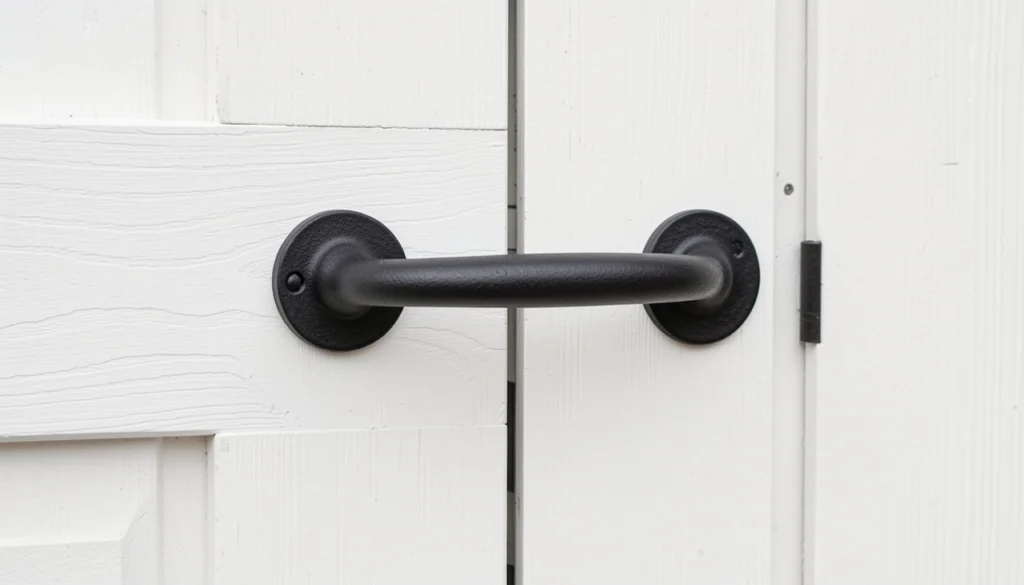
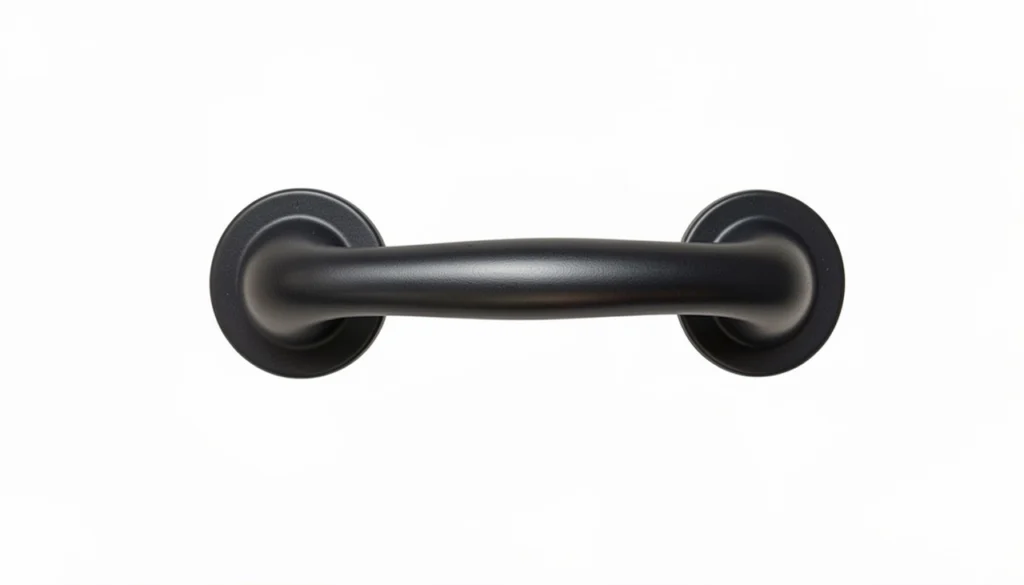
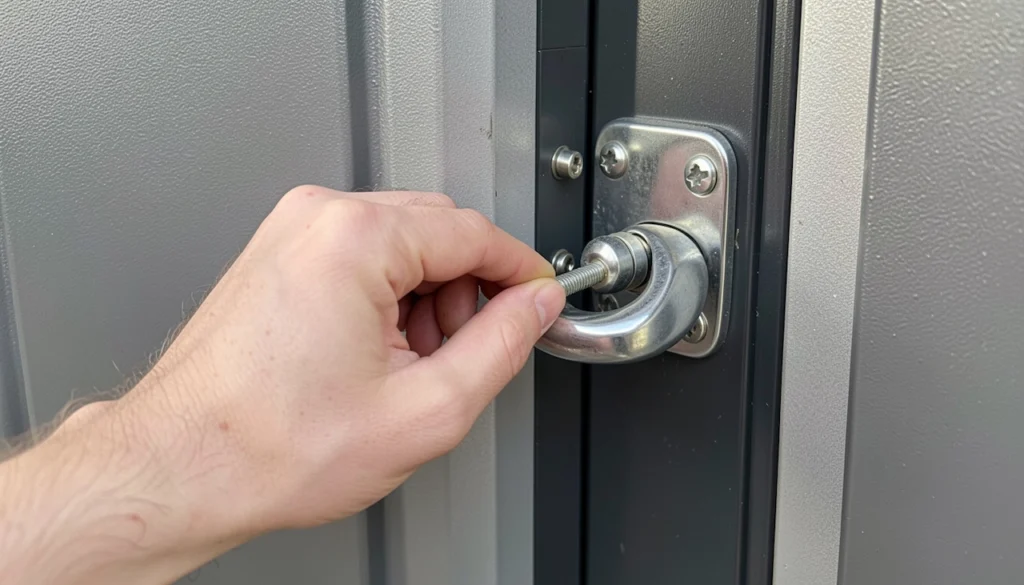
A garage door pull handle is the most common option for manual garage doors. These handles provide a comfortable grip and are available in numerous sizes and finishes.
Ideal for:
Manual garage doors
Utility buildings
Storage sheds
Decorative Handles
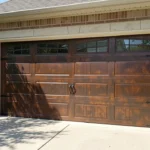
Decorative handles mimic traditional barn or carriage-house hardware. Although they don’t support lifting the door, they dramatically improve curb appeal.
Popular finishes include:
Matte black
Oil-rubbed bronze
Brushed nickel
Antique iron
Flush Handles
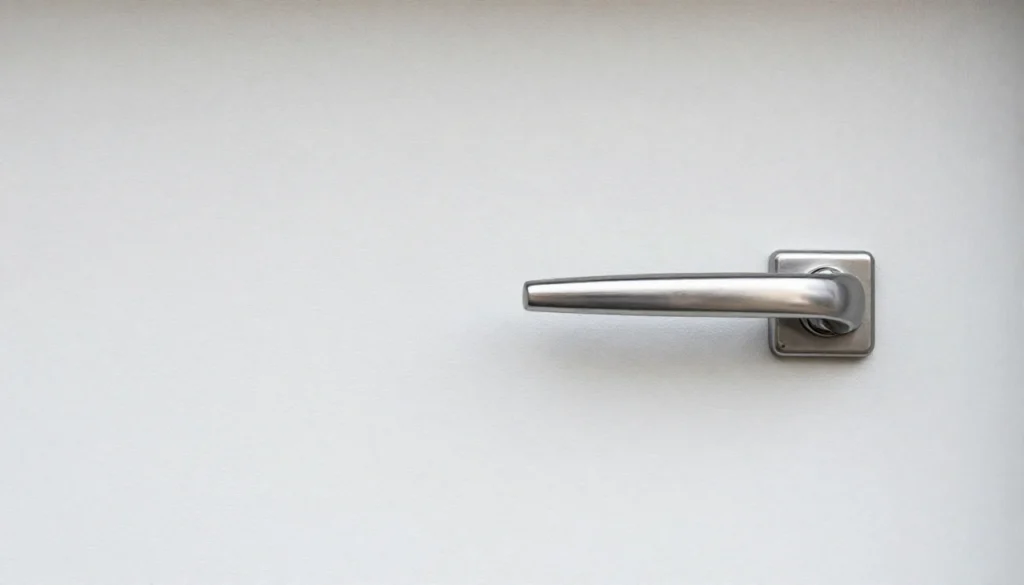
Flush handles sit nearly flat against the door surface, making them ideal for contemporary homes where clean lines and minimalism are preferred.
Ring Handles
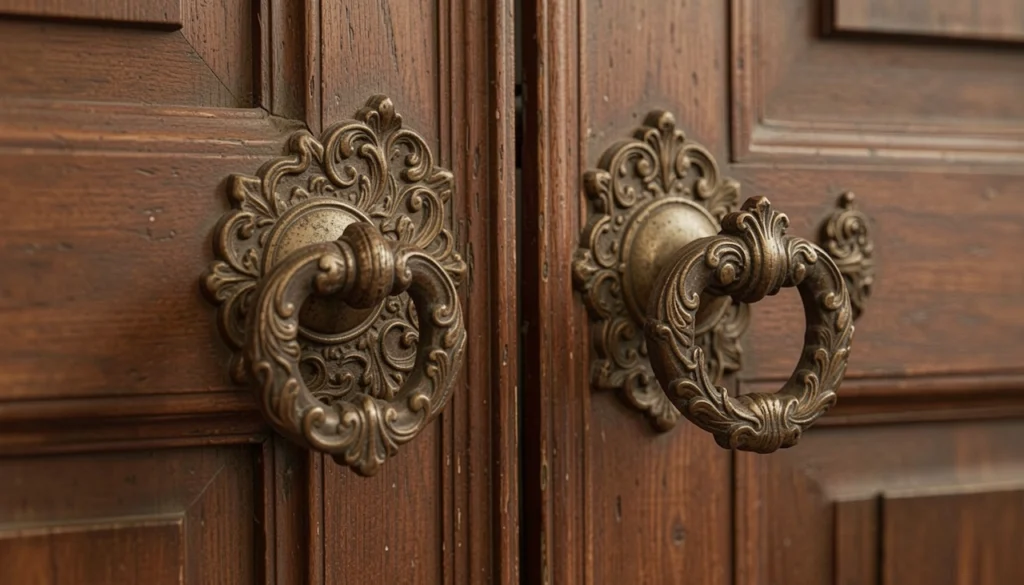
Ring handles provide a unique vintage appearance and are commonly paired with decorative hinges for farmhouse-inspired garage doors.
Choosing the Best Materials for Long-Lasting Hardware
Choosing the best material for garage door handle affects durability, maintenance, and appearance.
Stainless Steel
Stainless steel offers outstanding corrosion resistance, making it perfect for humid or coastal environments. It requires little maintenance and maintains its finish for years.
Wrought Iron
Wrought iron provides timeless elegance and exceptional strength. It’s a favorite choice for traditional and carriage-style homes but may require occasional protective coating to prevent rust.
Aluminum
Aluminum handles are lightweight, rust-resistant, and budget-friendly. They’re commonly used on modern garage doors.
Powder-Coated Steel
Powder-coated steel combines strength with a protective finish that resists scratches, fading, and weather damage.
How to Choose the Right Hardware for Your Garage Door
If you’re wondering how to choose the right option for your garage door, consider these important factors before making a purchase.
Match Your Home’s Style
The handle should complement your home’s architecture.
For example:
Modern homes pair well with sleek black or stainless steel hardware.
Farmhouse designs look great with wrought iron decorative handles.
Traditional homes often benefit from bronze or antique finishes.
Consider Door Material
Different garage door materials work better with specific hardware.
For example:
Steel garage doors often pair well with matte black handles.
Wooden garage doors look attractive with rustic iron hardware.
Choose weather-resistant materials that can handle years of exposure to rain, heat, and humidity.Quality finishes reduce fading, corrosion, and maintenance requirements.
Coordinate with Other Garage Door Hardware
Your handle should match existing garage door hardware, including:
Decorative hinges
Locks
Lift handles
Trim accents
Matching hardware creates a polished, professional appearance.
Garage Door Handle Installation Guide
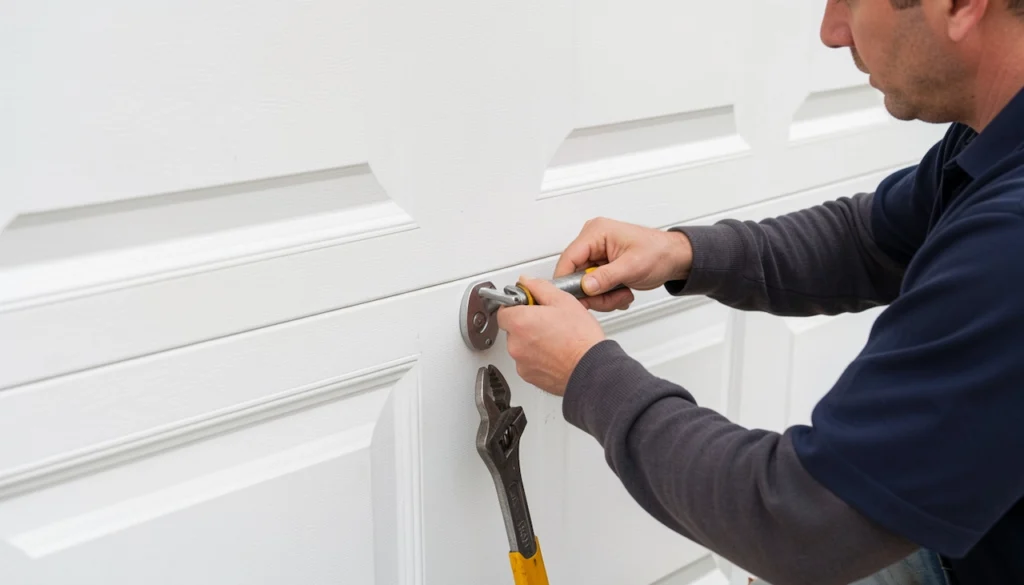
Many homeowners look for a reliable installation guide before starting a DIY project. Fortunately, installing most decorative handles is relatively straightforward with the right tools and careful planning.
Tools You’ll Need
Measuring tape
Drill
Screwdriver
Pencil
Level
Mounting hardware or a compatible installation kit
How to Install a Garage Door Handle
If you’re installing a new handle for the first time, follow these basic steps:
Measure and mark the mounting location.
Ensure both handles are aligned evenly.
Drill pilot holes if required.
Secure the handle using the provided hardware.
Tighten all screws carefully without over-tightening.
Check alignment and overall appearance.
If the handle is part of a locking mechanism, verify that the lock functions smoothly before completing the installation.
Common Installation Mistakes
Avoid these common errors:
Installing the handle unevenly
Using incorrect screw lengths
Over-tightening fasteners
Ignoring manufacturer spacing recommendations
Failing to seal exposed holes on wooden doors
Proper installation helps prevent premature wear while maintaining a professional finish.
Garage Door Handle Replacement
Over time, even high-quality handles can become loose, faded, or damaged due to constant exposure to weather and daily use. Replacing a worn or damaged handle helps restore both the appearance and functionality of your garage door.
Common signs that indicate it’s time for a replacement include:
Rust or corrosion on the handle
Loose or wobbling hardware
Cracks or visible damage
Difficulty gripping the handle
Outdated style that no longer matches your home’s exterior
Before replacing the handle, inspect the surrounding door panel for any signs of damage. Installing new hardware on a weakened panel may reduce its lifespan or require additional repairs.If your replacement includes a locking mechanism, ensure it aligns correctly with the existing lock assembly. Otherwise, replacing the entire lock and handle set may be the better option.
Garage Door Handle Maintenance Tips
Routine care can keep your hardware looking attractive and functioning properly for years. Following a few simple maintenance practices can also help prevent costly replacements and extend its lifespan.
Clean the Handle Regularly
Wipe the handle with a soft cloth and mild soap every few months to remove dirt, dust, and road grime. Avoid abrasive cleaners that may damage the finish.
Inspect Mounting Screws
Temperature changes and vibration from daily garage door operation can gradually loosen mounting screws. Tighten them as needed to keep the handle secure.
Prevent Rust
If you have steel or wrought iron hardware, inspect it regularly for rust spots. Applying a protective wax or rust-resistant coating can extend the hardware’s lifespan.
Lubricate Moving Parts
If your handle is connected to a locking mechanism, apply a silicone-based lubricant to keep the lock operating smoothly. Avoid oil-based products that attract dirt.
Check for Weather Damage
Sunlight, rain, snow, and humidity can wear down protective finishes over time. Inspect your hardware seasonally and replace damaged components before they affect performance.
Illustrative Case Study: A Simple Upgrade With Big Results
A homeowner wanted to improve the appearance of a 12-year-old steel garage door without investing in a complete replacement. The door operated smoothly, but its faded hardware made the exterior look outdated.
After comparing several hardware styles, the homeowner selected matte black decorative garage door handles and matching hinges designed for steel doors. Installation took less than an hour using a standard installation kit and basic household tools.
The transformation was immediately noticeable. The updated hardware gave the garage a carriage-house appearance that complemented the home’s exterior. With only a modest investment, the homeowner achieved a fresh, modern look while preserving a fully functional garage door.This example shows that replacing or upgrading garage door hardware can be a cost-effective way to enhance curb appeal without a major renovation.
Common Mistakes to Avoid
Whether you’re installing new hardware or replacing an existing handle, avoid these common mistakes:
Buying a handle without checking its dimensions.
Choosing materials that are not suitable for your local climate.
Mixing hardware finishes that clash with the home’s exterior.
Ignoring regular maintenance after installation.
Using low-quality screws that may loosen over time.
Installing decorative handles in uneven positions.
Paying attention to these details helps ensure a professional-looking installation and longer-lasting performance.
Final Thoughts
A well-chosen handle is more than just an accessory—it enhances your home’s appearance, improves functionality, and complements your overall exterior design. Whether you prefer a simple garage door pull handle for practical use or an elegant decorative garage door handle for added curb appeal, selecting the right hardware makes a lasting impact.
By understanding the different handle types, choosing durable materials, following a proper installation guide, and practicing regular garage door maintenance, you can keep your hardware looking great and performing reliably for years. If you’re also researching How to adjust garage door springs, remember that spring adjustments involve high tension and should be handled carefully or by a qualified professional.
If your current hardware is worn, outdated, or damaged, replacing it is a simple upgrade that delivers noticeable visual and functional benefits. Investing in high-quality components today can improve your home’s value, reduce maintenance needs, and create a polished first impression every time you arrive home.
FAQs
How to open a garage door manually without a handle?
Use the emergency release cord, then lift the door from the bottom. Never force a stuck or damaged door.
What are the different types of garage locks?
Common options include T-handle locks, slide bolt locks, deadbolts, smart locks, and electronic locking systems.
Can a stranger open my garage door?
Yes, if security is weak. Use rolling-code openers, lock the emergency release, and keep remotes secure.
What are common garage door problems?
Broken springs, worn rollers, damaged cables, noisy operation, sensor issues, and misaligned tracks are the most common.
Can I manually open a garage door from the outside?
Yes, if an exterior emergency release kit is installed. Otherwise, manual access from outside is limited.