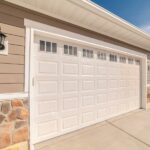
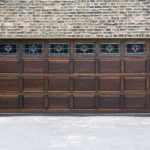
A modern home is no longer just about looks—it is about functionality, convenience, and smart use of space. One feature that is becoming increasingly popular among homeowners is the garage door with entry door system. As a garage door specialist, I’ve seen this design transform the way people use their garages daily.
Instead of opening the entire garage door every time you need to step in or out, a built-in entry option allows quick pedestrian access. This small change improves convenience, energy efficiency, and even long-term durability of your garage system.
In this detailed guide, I’ll break down everything you need to know—from how it works to real-life usage insights, safety considerations, installation factors, and a practical case study from my field experience.
Content
What Is a Garage Door with Entry Door?
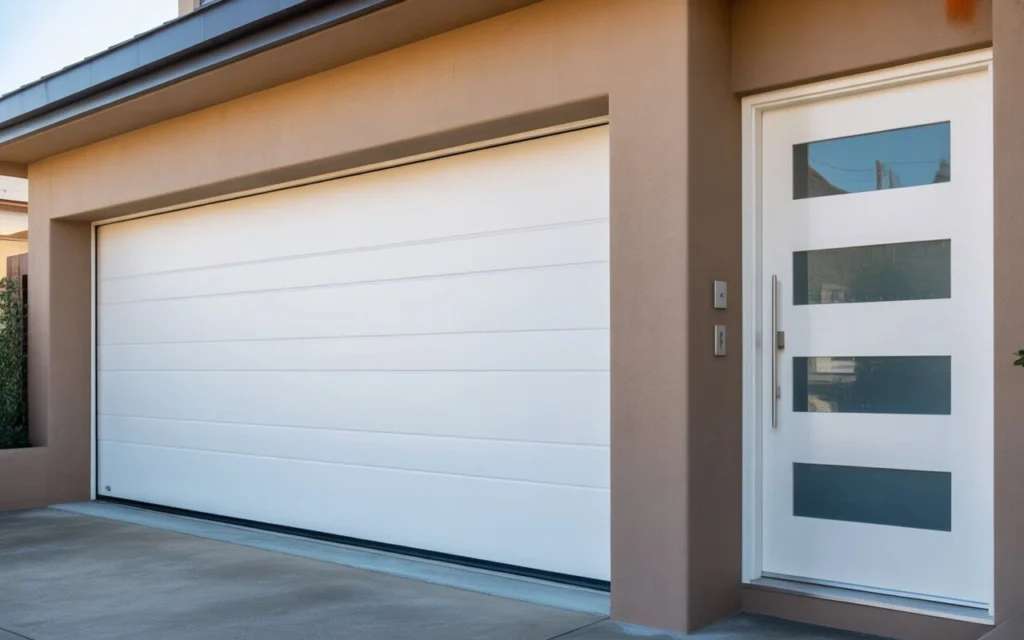
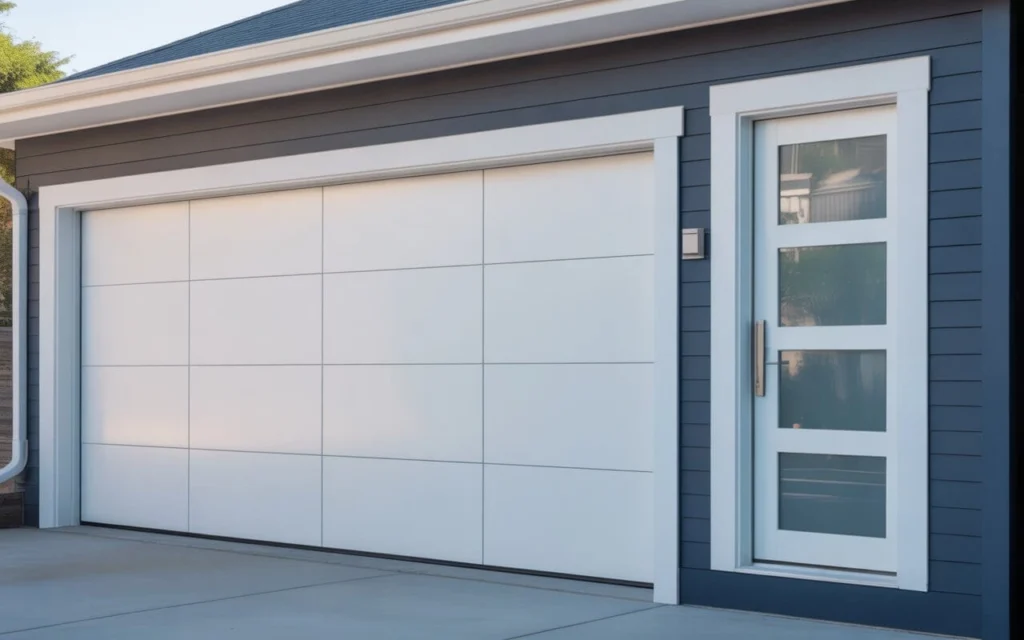
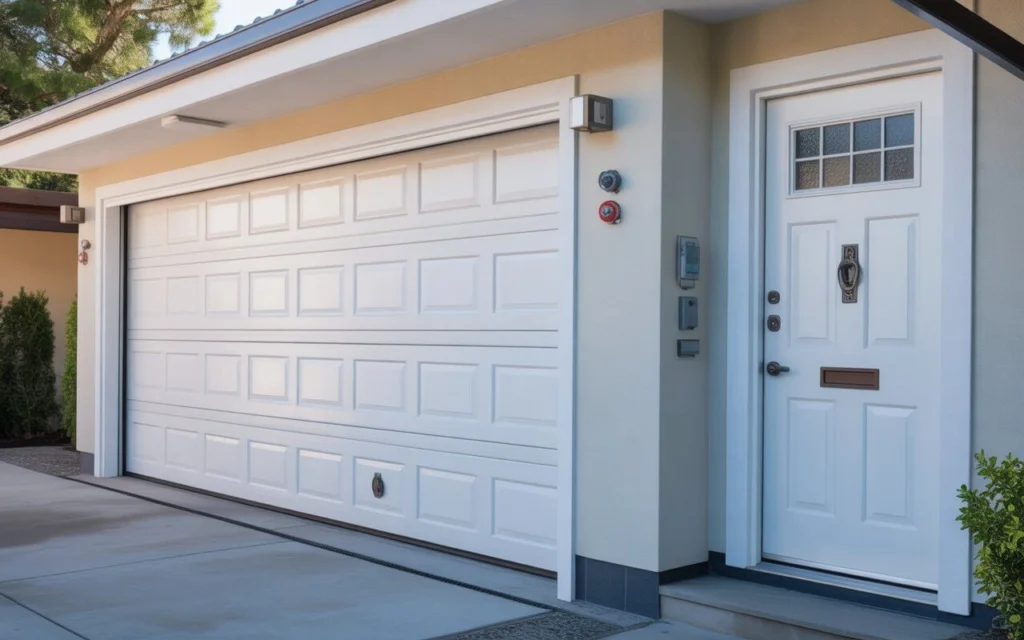
A garage door with entry door is a specially designed system that includes a smaller pedestrian access door within or beside the main garage door. This entry point is also known as a garage door with pedestrian door or a garage side access door, depending on the configuration.Instead of lifting the entire overhead system, you can simply use the smaller door for walking in and out.
In most residential setups, this design is used for:
Quick access to tools or storage
Entering the home through the garage
Reducing wear on the main door mechanism
From my experience, homeowners who use their garage frequently for storage or work find this feature extremely practical.
How a Garage Door with Built-in Access Door Works
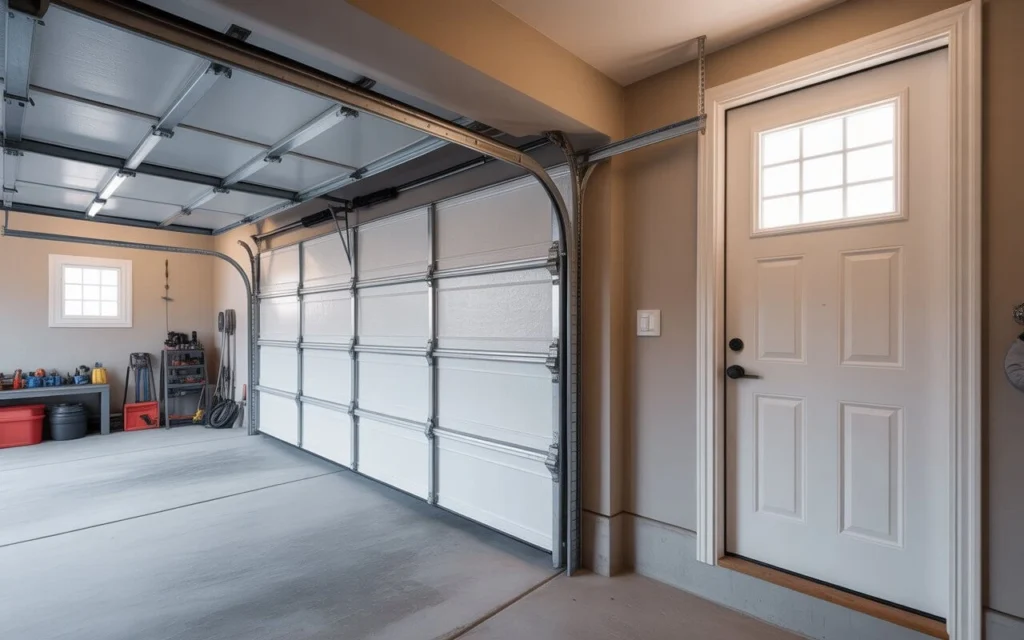
The working mechanism is simple but highly efficient. The garage door with built-in access door is designed with reinforced framing to support both the main door and the pedestrian entry.
Key components include:
Independent locking system for the entry door
Safety sensors that detect open/closed status
Reinforced hinges for structural stability
Weather sealing for insulation
Most modern systems also include safety interlocks, meaning the main garage door will not operate unless the entry door is fully closed. This prevents damage and improves safety.
Benefits of Garage Door with Entry Door for Homes
The popularity of this system is not accidental. There are several real-world advantages that homeowners experience.
1. Daily Convenience
You no longer need to operate the full garage door for simple access. This is especially useful when carrying light items or entering quickly.
2. Energy Efficiency
Opening a full garage door frequently leads to heat loss or air leakage. An insulated garage door with entry door helps maintain indoor temperature better.
3. Reduced Wear and Tear
Every time the large door opens, it adds strain to the motor and springs. Using the smaller entry reduces mechanical stress and extends system life.
4. Improved Security
A secure garage access door allows controlled entry without exposing the entire garage space.
5. Better Space Utilization
This is especially helpful in compact homes where garage space is used as storage, workshop, or utility area. These benefits of garage door with entry door for homes make it a smart long-term investment.
Types and Design Options
There are several design variations depending on structure and usage:
1. Integrated Pedestrian Door
This is built directly into the main garage door panel.
2. Side Entry Garage Door
A separate garage side access door is installed next to the main door frame.
3. Walk-through Garage Door Systems
A walk-through garage door allows seamless pedestrian movement with reinforced framing.
4. Residential Garage Door with Man Door
Common in suburban homes, this option is durable and cost-effective. Each type serves different needs depending on usage frequency and available space.
Installation Insights and Cost Factors
When discussing garage door with entry door installation cost, several factors influence pricing:
Material type (steel, aluminum, wood)
Insulation level
Design complexity
Automation features
Labor and customization requirements
In general, integrated systems cost more than standard garage doors due to additional reinforcement and safety mechanisms.From my field experience, homeowners often underestimate the importance of professional installation. Improper alignment can cause sealing issues and even door malfunction.
Garage Door with Entry Door Safety Features and Security Considerations
One of the most important aspects is garage doors with side entry door safety features explained in practical terms.
Modern systems include:
Automatic lock interlocks
Reinforced steel frames
Tamper-resistant hinges
Emergency release systems
Fire-rated design options
In commercial-grade setups, fire safety regulations may also require specific compliance, especially for attached garages.Security is another key concern. A poorly installed entry door can become a weak point. That is why I always recommend high-quality locking mechanisms and periodic inspections.
Maintenance Tips for Long-Term Performance
A garage door with entry door system is low-maintenance but not maintenance-free.
Here are practical tips:
Lubricate hinges every 3–6 months
Check alignment of both doors
Inspect weather stripping for air leaks
Test locking system regularly
Clean tracks and remove debris
Regular maintenance not only improves performance but also ensures safety and durability.
Pros and Cons of Garage Door with Entry Door
Understanding the garage door with entry door pros and cons guide helps homeowners make informed decisions.
Pros:
Easy pedestrian access
Energy-efficient usage
Longer lifespan of main door system
Improved convenience
Better security control
Cons:
Higher installation cost
More complex structure
Requires precise maintenance
Slight reduction in insulation if poorly installed
Like any system, it is about balancing convenience with investment.
Real-Life Case Study: A Practical Home Transformation
One of my recent projects involved a homeowner in a suburban residential area who used their garage as both storage and a small workshop.Initially, they had a traditional garage door. Every time they needed tools or equipment, they had to fully open the door, which led to:
High electricity usage
Frequent motor strain
Temperature fluctuations inside the garage
They asked whether they could modify the system, which led to an important question: can you add an entry door to an existing garage door? After a detailed inspection, we recommended a full upgrade instead of retrofitting, as the existing structure could not safely support the modification. In most cases, altering older setups compromises stability and safety.We installed a Garage door with entry door system featuring reinforced framing and insulated panels, ensuring durability, proper balance, and long-term performance
Results after installation:
40% reduction in door usage cycles
Noticeable energy savings
Improved workshop usability
Increased property value perception
The homeowner later shared that the advantages of having a walk-through garage door became clear within the first week of use.
How to Choose the Right Garage Door System
If you are planning to install one, here’s how to make the right choice.
Consider Your Usage Needs
Ask yourself how often you enter the garage on foot.
Check Insulation Requirements
Especially important for attached garages.
Evaluate Security Features
Always prioritize reinforced locking systems.
Review Design Compatibility
Match the door with your home’s architecture. This is where choosing a garage door with entry door system becomes a practical decision-making process rather than just a design preference.
Final Practical Insights for Homeowners
A Garage door with entry door is not just a design upgrade—it’s a practical lifestyle improvement that enhances daily convenience. It saves time, minimizes energy loss, and makes your garage more functional for frequent use. Among different Garage door varieties, this option stands out for combining accessibility with efficiency.
However, proper installation and regular maintenance are essential to maximize its benefits. From professional experience, homeowners who choose this system early often enjoy smoother operation and fewer mechanical issues compared to traditional garage setups.If your garage is used regularly, this upgrade is a smart investment—not only for convenience but also for long-term performance, durability, and energy efficiency.
FAQs
What is the standard name used for a garage entry door system in modern homes?
It is commonly referred to as a pedestrian garage door, man door system, or integrated garage access door depending on design and placement.
Which door type is commonly used for residential garage side access?
Most homes use a side entry garage door made of steel or aluminum for durability, security, and low maintenance.
What size opening is typically required for a pedestrian garage entry door?
A standard garage entry door usually requires an opening of around 30 to 36 inches in width for comfortable passage.
How many main types of garage doors are commonly used in residential buildings?
There are typically four to five main types, including sectional, roll-up, tilt-up, side-hinged, and sliding garage doors.
What are the most popular garage door styles trending in modern home design?
Modern trends include glass-panel doors, insulated steel doors, wood-look finishes, and minimalist flush designs.