A small gap under your garage door might not look like a big deal—until dust, water, pests, and cold air start creeping in. I’ve seen homeowners spend money on insulation upgrades while ignoring the one component quietly undoing their efforts: the bottom seal.Understanding garage door bottom seal types can make a noticeable difference in comfort, energy efficiency, and long-term durability. This guide breaks everything down in simple terms, with practical advice, real use cases, and expert insights to help you choose the right solution.
Content
Garage Door Bottom Seal Types: Understanding Their Purpose and Function
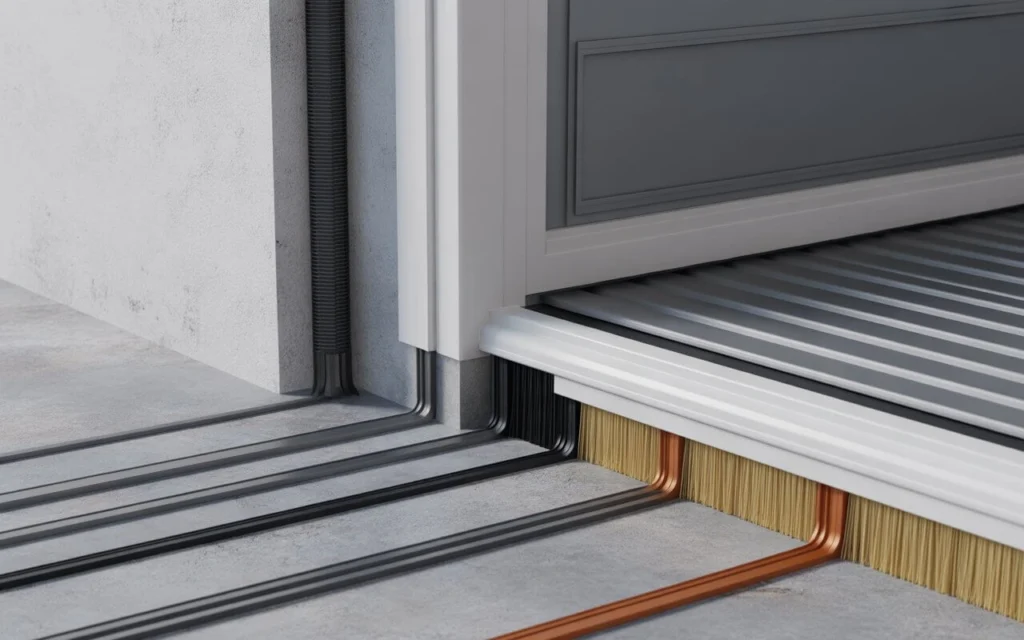
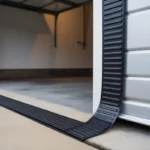
A garage door bottom seal is a flexible strip attached to the bottom edge of your door. In garage door bottom seal types, its job is simple but critical: to seal the gap between the door and the floor.
How Garage Door Bottom Seals Function
When the door closes, the seal compresses against the ground to:
- Block air drafts
- Prevent water from entering
- Keep insects and debris out
- Improve insulation
Why It Matters More Than You Think
In one home I inspected, the owner complained about rising energy bills. The issue wasn’t the walls or ceiling—it was a worn-out seal creating a constant draft. Replacing it reduced indoor temperature fluctuations almost immediately.
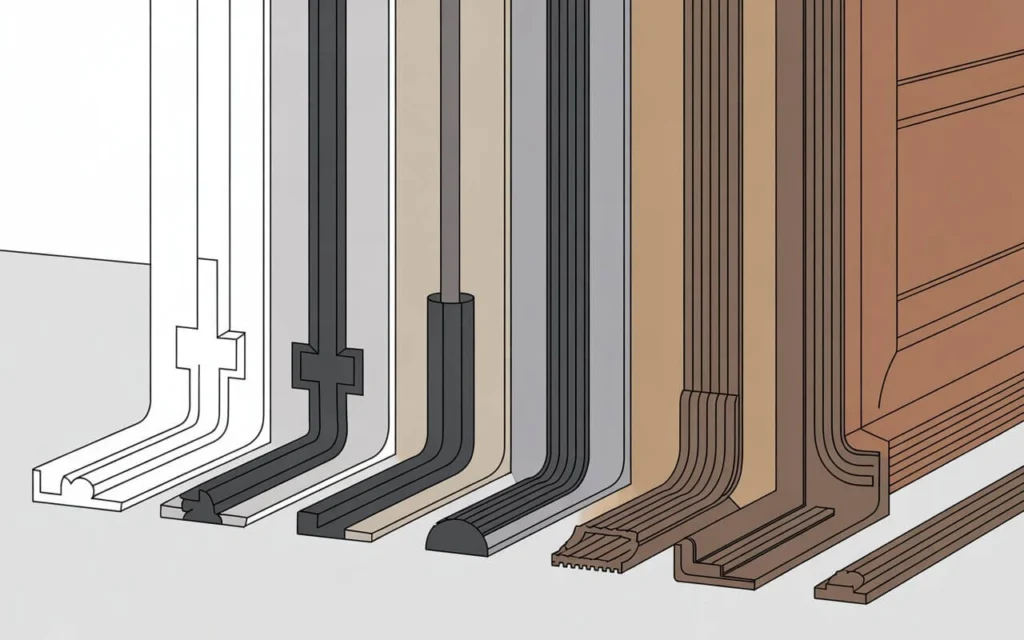
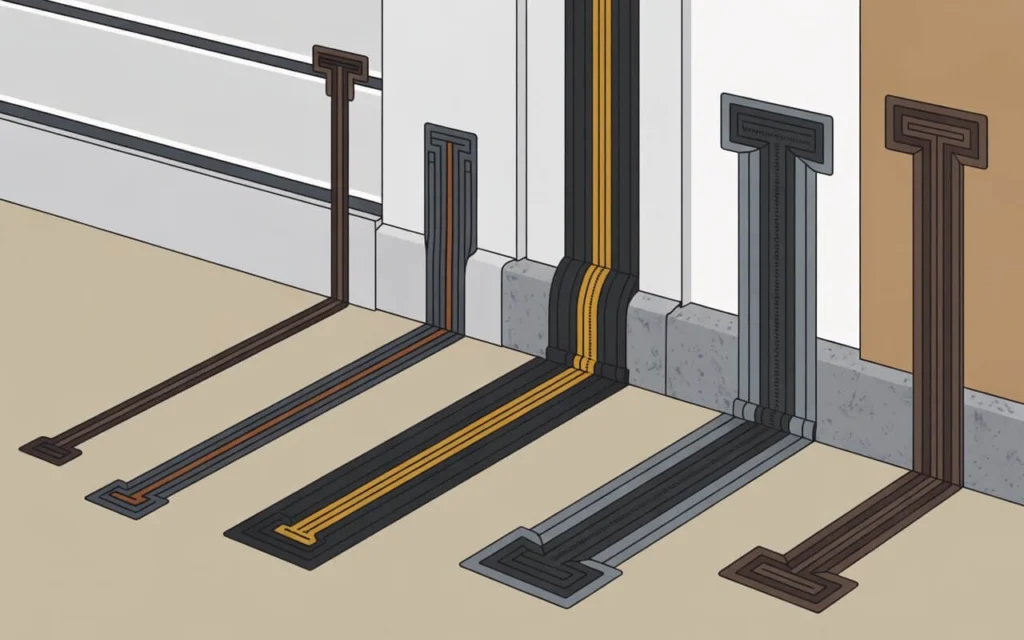
Types of Garage Door Bottom Seals Explained
Not all seals are the same. Choosing the wrong one can lead to poor performance, especially on uneven surfaces.
1. T-Style Garage Door Bottom Seal
This is one of the most common garage door bottom seal types.
Best for:
Standard aluminum tracks
Features:
- T-shaped ends slide into a track
- Provides a tight and secure fit
Ideal if you’re looking for a reliable garage door seal replacement with minimal hassle.
2. U-Shape (Beaded) Bottom Seal
Also known as a beaded seal, this type forms a U when compressed.
Best for:
Uneven garage floors
Benefits:
- Better flexibility
- Creates a stronger seal against irregular surfaces
This is often recommended when people search for garage door bottom seal types, especially when asking for the best garage door bottom seal for uneven floors.
3. Bulb Seal (Round Seal)
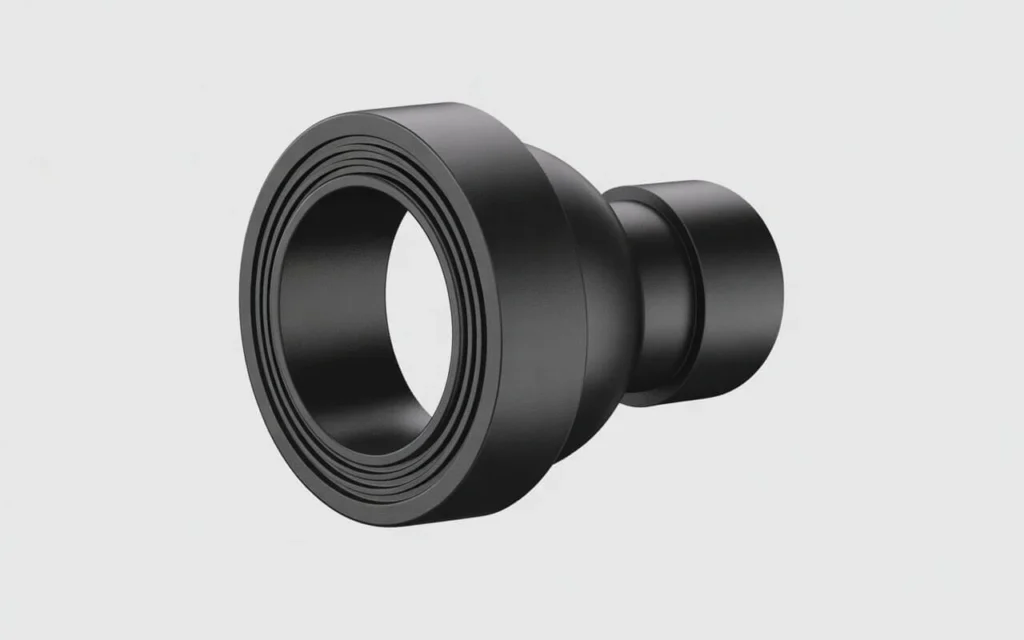
This type features a rounded bottom that compresses easily.
Best for:
Heavy-duty sealing
Advantages:
- Excellent insulation
- Strong resistance to water intrusion
A great option for weatherproof garage door seal needs.
4. Brush Seal
Instead of rubber, this seal uses thick bristles.
Best for:
Keeping pests and debris out
Limitations:
- Less effective against water and air
Still useful as a garage door draft stopper in dry environments.
5. Threshold Seal
Installed on the floor instead of the door.
Best for:
Extra protection against water
Key benefit:
- Works alongside other garage door sealing solutions
How to Choose the Right Garage Door Bottom Seal
Choosing the right seal in garage door bottom seal types isn’t just about type—it depends on your specific situation.
Garage Door Type and Material
- Metal doors: T-style or bulb seals
- Wooden doors: Nail-on rubber seals
Floor Condition
- Smooth surface: T-style works well
- Uneven surface: U-shape or bulb seal is better
Climate Considerations
If you live in areas with:
- Heavy rain: go for waterproof bulb seals
- Cold weather: choose thick garage door insulation seal
Garage Door Bottom Seal Types: How to Measure Correctly for the Right Fit
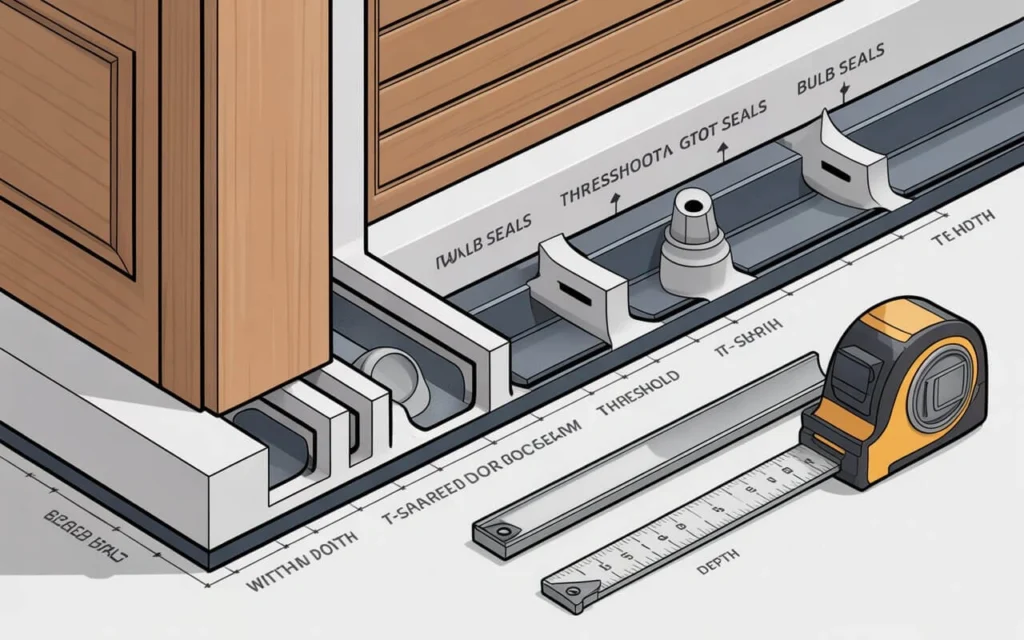
Before buying, accurate measurement is essential.
Steps:
- Measure the width of your garage door
- Check the track type (T-style, bead, etc.)
- Measure the old seal (if available)
This step is crucial if you’re searching for garage door bottom seal types and sizes explained.
DIY Garage Door Bottom Seal Installation Guide
Replacing a seal is easier than most people think.
Tools Needed:
- Screwdriver
- Utility knife
- Lubricant
Steps:
- Remove the old seal
- Clean the track
- Slide or attach the new seal
- Trim excess material
Many homeowners successfully follow a DIY garage door bottom seal installation guide without professional help.
Common Problems and Easy Fixes
1. Gaps Under the Door
Cause: Worn or incorrect seal
Solution: Upgrade to a thicker seal
This is one of the most searched issues: how to fix gaps under garage door seal
2. Water Leakage
Cause: Poor sealing or uneven floor
Fix:
- Install threshold seal
- Use a bulb-type seal
3. Seal Keeps Falling Out
Cause: Incorrect size or worn track
Fix:
- Replace with correct fit
- Secure properly
Garage Door Bottom Seal Types: Maintenance Tips for Long-Lasting Performance
To extend the life of your seal:
- Clean it regularly
- Inspect for cracks
- Replace every 2–3 years
Proper maintenance ensures your garage door weatherstripping types continue working effectively.
Real-Life Case Study: Fixing a Persistent Garage Draft
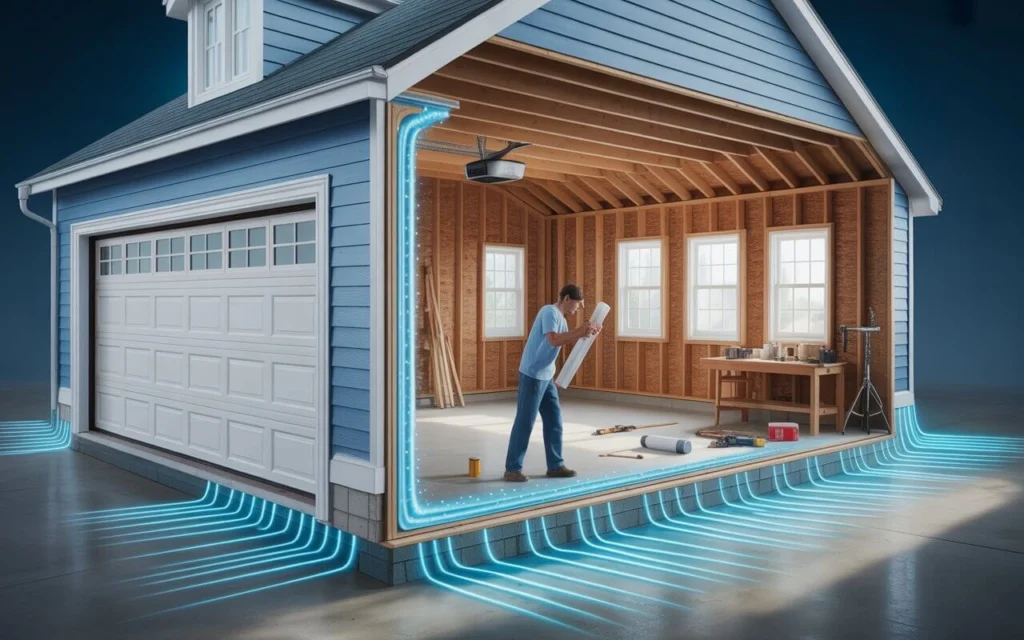
A homeowner I worked with had a constant dust problem inside their garage. They had already tried sealing the walls and even replacing the door. After inspection, the issue was obvious—a worn-out flat seal that wasn’t touching the ground.
Solution:
We replaced it with a U-shape garage door bottom seal
Result:
- Dust entry reduced by 80%
- Improved indoor air quality
- Lower cleaning frequency
This shows how choosing the right bottom seal for garage doors can solve problems that seem much bigger.
Cost Considerations
The garage door bottom seal types cost to replace depends on:
- Seal type
- Material quality
- Installation method
Average Range:
- DIY: Low cost
- Professional installation: Moderate
DIY vs Professional Installation
DIY Pros:
- Budget-friendly
- Quick solution
DIY Cons:
- Risk of incorrect fitting
Professional Pros:
- Perfect installation
- Long-term durability
If you’re unsure about how to choose the right garage door bottom seal, professional advice can help avoid costly mistakes.
Final Thoughts
Ignoring your garage door seal can lead to bigger issues—energy loss, water damage, drafts, and unwanted pests finding their way inside. The good news is that understanding garage door bottom seal types makes it easy to fix these problems efficiently. Whether you’re upgrading a standard garage setup or improving a Garage door with entry door, choosing the right seal can help create a cleaner, quieter, and more temperature-controlled space. From simple DIY replacements to durable long-term solutions, the right bottom seal can make a noticeable difference in comfort, protection, and overall garage performance.
FAQs
What is the best bottom door seal type for durability?
Rubber bulb seals are generally the most durable due to their flexibility and resistance to weather changes.
What are the basic categories of door seals?
The main categories include rubber seals, vinyl seals, brush seals, and threshold seals.
How do you properly seal the bottom of a garage door?
Install a correctly sized bottom seal that compresses tightly against the floor when the door closes.
What are the main types of door sealing options?
Common options are T-style, U-shape (beaded), bulb seals, brush seals, and threshold seals.
How do you select the right seal for a door?
Choose based on door type, floor condition, and exposure to weather or water.

Alma Conklin is the sustainability enthusiast. She’s all about eco-friendly garage solutions, helping you save both money and the environment.