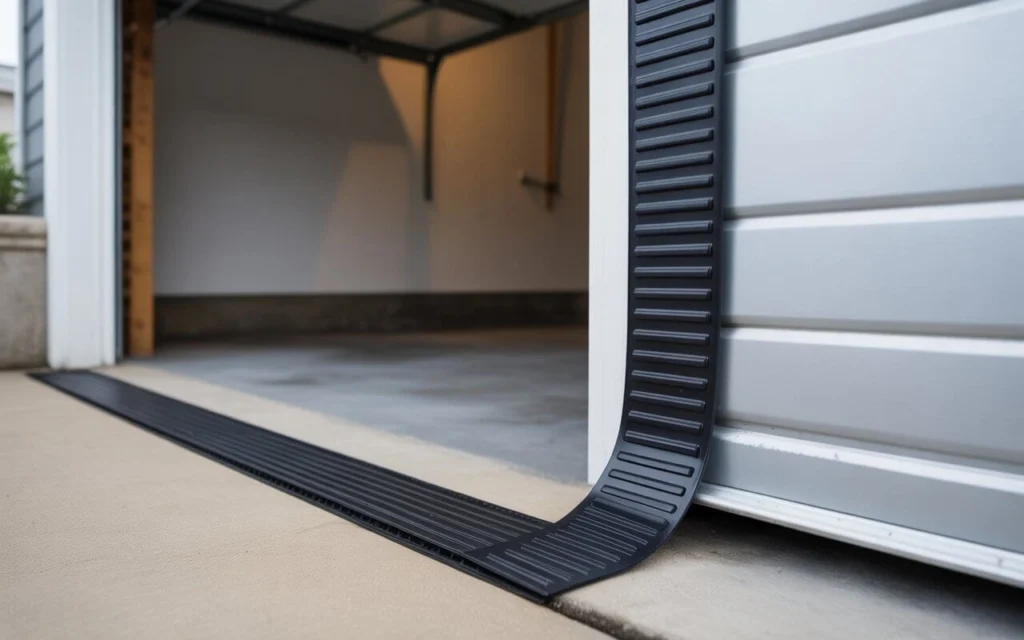
A garage door seal may seem like a small detail, but it plays a critical role in protecting your home from weather, pests, and energy loss. From keeping drafts out during cold winters to preventing debris from entering your garage, the right garage door seal can make a world of difference. In this guide, I’ll walk you through everything you need to know, including installation tips, material options, and real-life use cases.
Content
Why a Garage Door Seal Is Essential
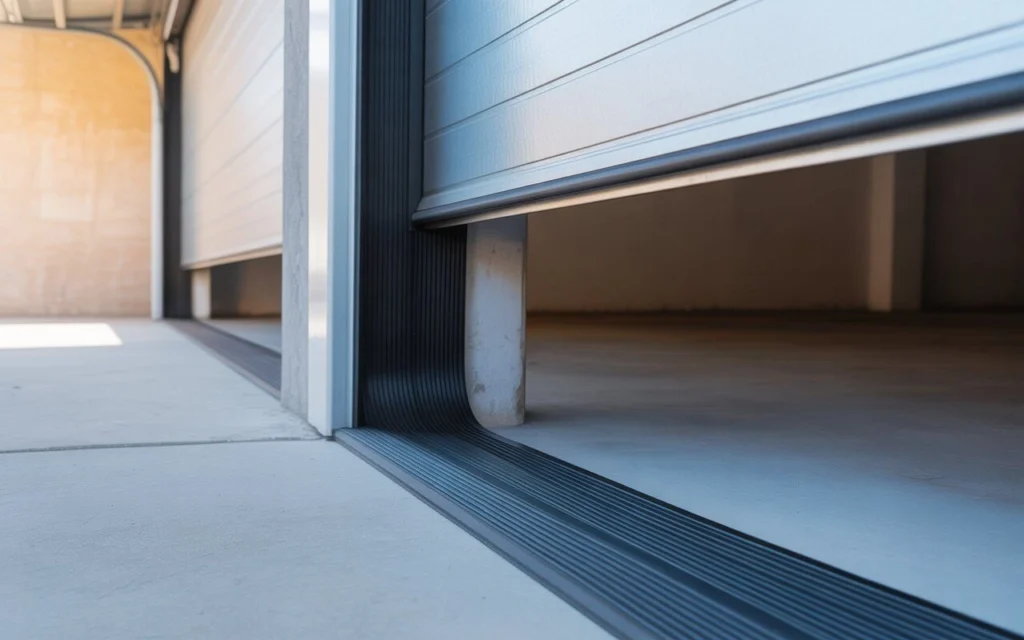
Many homeowners overlook the garage door bottom seal or side weatherstripping until problems start to appear. Gaps along the bottom or sides of your garage door can lead to:
- Heat loss during winter and cool air escaping in summer
- Water intrusion that may cause mold or structural damage
- Rodents and insects entering your garage
- Dust, debris, and leaves building up inside
When these gaps exist, even a properly functioning garage door opener has to work harder to open and close the door efficiently, especially if the door alignment is affected by worn seals.
Installing a high-quality garage door seal helps block moisture, pests, and outside air while improving overall energy efficiency. This simple upgrade not only protects your garage but also reduces strain on components like the garage door opener, leading to smoother operation, lower utility bills, and greater year-round comfort.
Types of Garage Door Seals
There are several options when it comes to garage door weatherstripping, each with unique benefits:
1. Rubber Garage Door Gaskets
Rubber is durable, flexible, and highly resistant to weather extremes. Rubber seals form a tight barrier at the bottom and sides of the garage door, ensuring no drafts or water seep in.
Use Case: Ideal for homes in areas with heavy rain, snow, or strong winds.
2. Vinyl Garage Door Weatherstripping
Vinyl is slightly less durable than rubber but is cost-effective and easy to install. It is resistant to cracking but may wear faster in extreme temperatures.
Use Case: Best for mild climates and DIY installations.
3. Foam Garage Door Seals
Foam weatherstripping compresses to fill gaps but can deteriorate over time. It is lightweight and inexpensive.
Use Case: Suitable for garages that see occasional exposure to elements and need temporary insulation.
How to Replace a Garage Door Seal
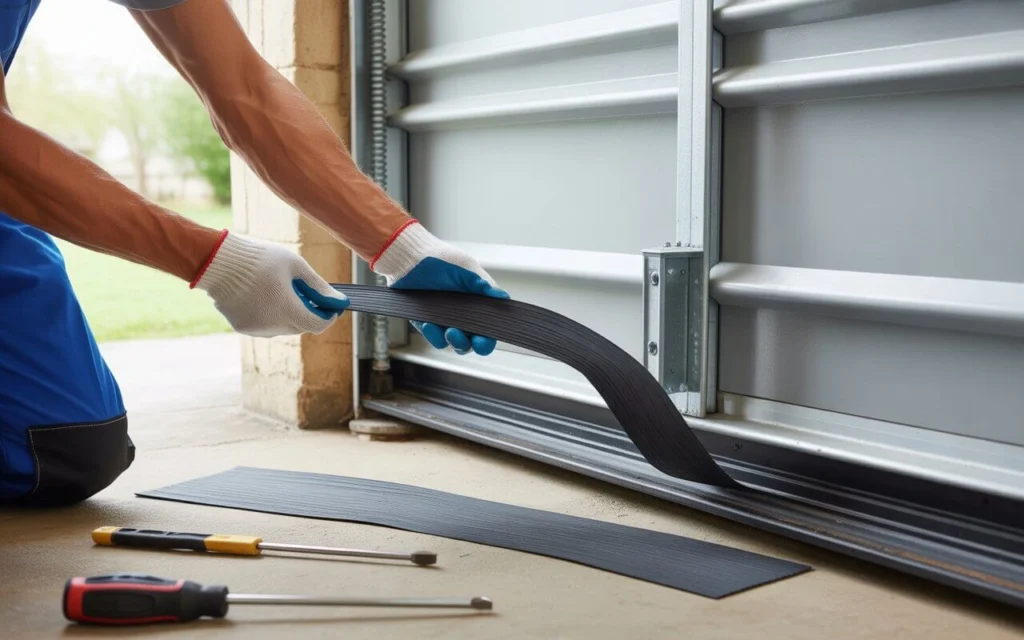
Replacing your old garage door weatherstrip may sound intimidating, but with a few simple steps, you can handle it yourself. Follow this step-by-step installation guide:
- Measure the Door: Measure the width of your garage door and note the length needed for the bottom and sides.
- Remove Old Seal: Pull out the worn-out weatherstripping or bottom gasket carefully.
- Prepare New Seal: Cut the new rubber or vinyl seal to fit your measurements.
- Install the Seal: Slide or nail the new seal into place, ensuring it sits snugly against the floor.
- Test the Door: Open and close the door to make sure the seal doesn’t hinder movement.
Pro Tip: A well-installed seal should compress slightly when the door is closed, creating a tight barrier without resistance.
Benefits of Upgrading Your Garage Door Seal
Installing a new garage door seal brings multiple advantages, both practical and financial:
- Improved Energy Efficiency: Keeps warm or cool air inside, lowering heating and cooling costs.
- Weather Protection: Shields your garage from rain, snow, and wind.
- Pest Prevention: Blocks rodents, insects, and other pests from entering.
- Noise Reduction: Helps dampen sounds from traffic or outside activity.
- Increased Home Value: A properly sealed garage door is a sign of well-maintained property.
Real-Life Case Study: How a Garage Door Seal Made a Difference
Let me share a personal experience from a recent client, Mark, a homeowner in Michigan. His garage faced harsh winters, and the old vinyl seal had cracked and warped. He noticed cold drafts coming in, snow drifting into the garage, and even a family of squirrels making a home inside.After installing a premium rubber garage door bottom seal along with side weatherstripping, the results were immediate:
- His garage stayed dry even after heavy snowfall.
- Utility bills dropped by nearly 8% due to improved insulation.
- Pests were completely blocked from entering.
- The garage door operated smoothly without noise or resistance.
Mark’s case is a perfect example of how investing in a quality garage door weatherstrip can prevent bigger problems and save money in the long run.
Common Mistakes to Avoid
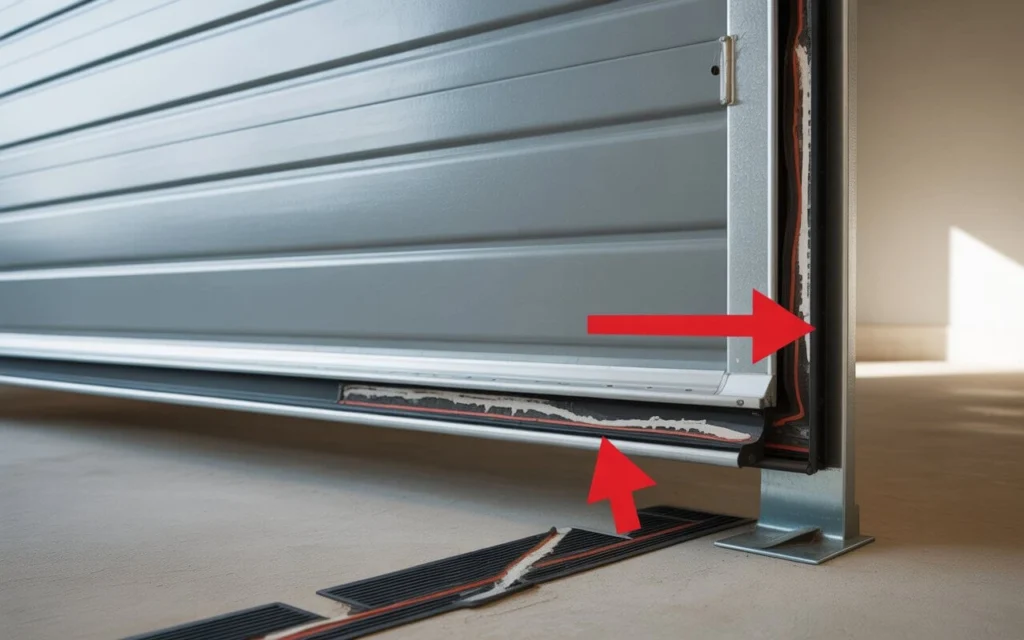
While installing a garage door seal is straightforward, homeowners often make these mistakes:
- Choosing the wrong material: Rubber is best for harsh climates, while foam may not last.
- Improper measurements: Even a 1-inch gap can let drafts and pests in.
- Incorrect installation: Seals that are too tight can damage the door or opener.
- Ignoring maintenance: Regular cleaning and inspection prolong the life of the seal.
Maintaining Your Garage Door Seal
To ensure your garage door seal lasts for years:
- Inspect seals every 6–12 months for wear or cracks.
- Clean with mild soap and water to remove dirt and debris.
- Lubricate metal components around the door to ensure smooth operation.
- Replace seals promptly when you notice deterioration.
Regular maintenance not only keeps your garage protected but also extends the life of the seal, preventing costly replacements.
Tips for Choosing the Best Garage Door Seal
When selecting a seal, consider:
- Climate Conditions: Rubber seals perform better in cold and wet climates.
- Garage Floor Type: Concrete floors need seals that compress and create a tight fit.
- Budget: Vinyl and foam are cheaper but may need replacement sooner.
- Installation Preference: DIY-friendly seals save installation costs.
Conclusion: A Small Upgrade With Big Benefits
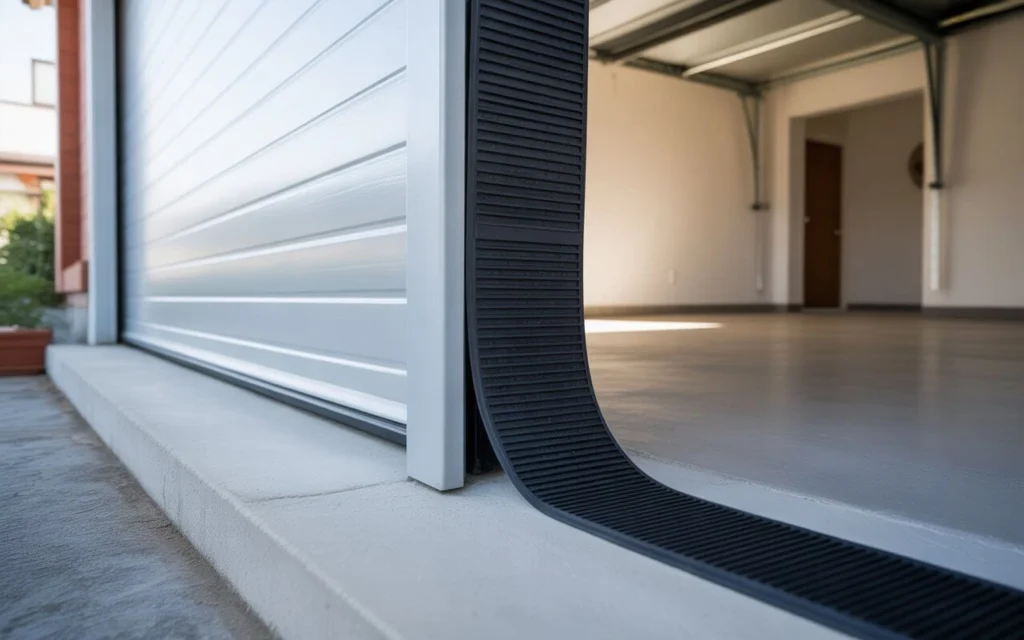
A garage door seal may seem like a minor accessory, but it delivers significant protection, energy efficiency, and everyday convenience. Whether you’re dealing with cold winters, moisture, pests, or unwanted drafts, the right upgrade can help safeguard both your garage and your home. Pairing a quality seal with additions like a Garage screen door can further improve ventilation while still keeping insects and debris out.
By selecting the proper material, following correct installation practices, and performing routine maintenance, you can ensure long-lasting performance and reliable protection. Regular inspections also help maintain a tight barrier against dust, water, and temperature fluctuations.
Remember Mark’s experience—sometimes a simple upgrade like replacing a worn seal is enough to prevent costly issues, protect stored belongings, and lower energy bills. Invest in high-quality seals today and enjoy a cleaner, safer, and more comfortable garage space tomorrow.
FAQs
How to protect your garage from mice and pests?
Use tight-fitting weatherstripping and cover gaps at the bottom and sides to block mice and other pests.
Do I need to install weatherstripping on my garage door?
Yes, it improves insulation, keeps out drafts, moisture, and pests, and increases energy efficiency.
How to inspect your garage door weatherstrip for wear?
Check for cracks, gaps, or compression; replace if it no longer forms a tight barrier.
Which materials last longest for garage door weatherproofing?
Rubber and vinyl are durable options, with rubber performing best in extreme temperatures.
How often should garage door weatherstripping be replaced?
Typically every 3–5 years, or sooner if you notice cracks, gaps, or reduced effectiveness.

Alma Conklin is the sustainability enthusiast. She’s all about eco-friendly garage solutions, helping you save both money and the environment.