When it comes to garage doors, most homeowners focus on aesthetics, insulation, or smooth operation. Yet, one crucial component that often goes unnoticed is the garage door strut. It acts as the backbone of your door, providing essential support and protecting panels from bending or warping.
In my 15 years of experience working with garage doors, I’ve seen many doors fail prematurely simply because homeowners overlooked this small but vital part. In this article, I’ll cover everything you need to know—from the purpose and types of struts to installation tips, maintenance advice, and a real-life case study. Along the way, I’ll provide practical guidance on how to install a garage door strut and signs it may need replacement, offering insights you won’t find in standard product manuals.
Content
Why Your Garage Door Strut Is Essential for Safety and Longevity
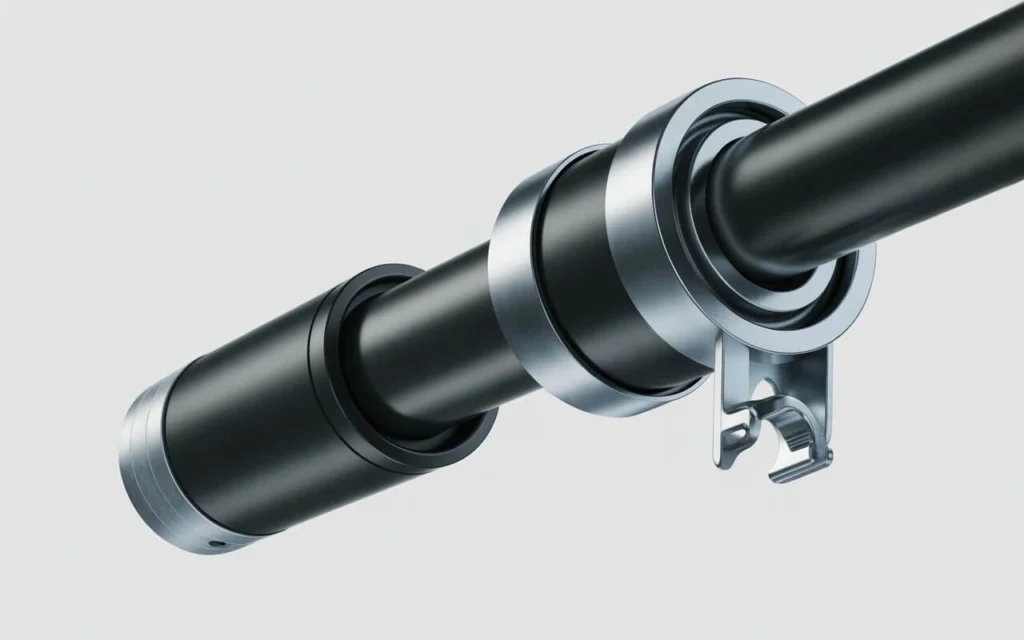
A garage door strut is essentially a reinforcement bar that strengthens your door panels. Over time, doors, especially larger or heavier ones, can bend under their own weight or due to environmental factors like strong wind. This not only affects the door’s appearance but also its operation and safety.Here are the main reasons why a strut is essential:
1. Prevent Panel Bending and Sagging
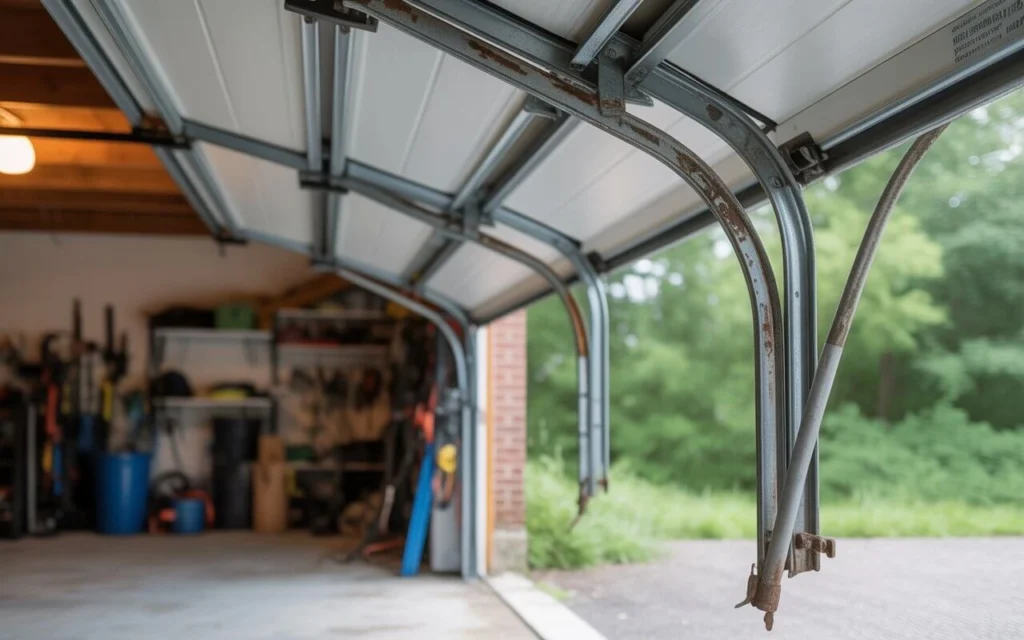
Many homeowners underestimate how much stress their garage door panels endure. A heavy door without proper reinforcement can sag, especially in the middle section. Installing a strut distributes the weight evenly, preventing garage door panels from bending and prolonging the door’s life.
2. Protect Against Wind Damage
I once worked with a client in Texas whose garage door had significant dents from a storm. After inspection, I noticed they hadn’t installed any reinforcement struts. Adding the proper metal strut for garage doors not only prevented further damage but also made the door more wind-resistant for the coming hurricane season.
3. Enhance Door Longevity and Safety
Doors that bend or sag can strain their opener mechanism, causing premature wear. Proper struts reduce the torque on the opener, ensuring smoother operation and safer performance.
Types of Garage Door Struts
Not all struts are created equal. Selecting the right type depends on your door size, material, and usage frequency.
1. Steel Garage Door Struts
Steel struts are the most common and provide superior strength for heavy doors. They come in 22 gauge galvanized steel, which resists rust and keeps the door stable for decades. For homeowners with larger sectional doors, steel struts are the go-to choice.
2. Aluminum Struts
Lightweight yet sturdy, aluminum struts are suitable for medium-weight doors. While they aren’t as strong as steel, they prevent sagging in doors that don’t endure heavy usage or extreme weather.
3. Single vs Multi-Piece Struts
Single-piece struts run the entire door length, providing maximum stability. Multi-piece struts, often used for taller or segmented doors, offer flexibility and easier installation. I recommend multi-piece struts for garage doors over 16 feet long, as they handle weight more effectively.
4. DIY Strut Kits vs Professional Installation
There are many DIY garage door strut kits available online. While these can be cost-effective, a poorly installed strut may do more harm than good. From personal experience, doors with DIY struts installed incorrectly often require a professional inspection within a year to prevent warping or panel damage.
How to Install a Garage Door Strut
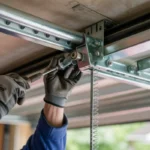
Installing a strut isn’t rocket science, but it does require attention to detail. Here’s a simplified guide based on my professional experience:
Measure Your Door: Determine the length and placement of the strut. Typically, it runs horizontally along the middle of each door panel.
Select the Right Material: Choose steel or aluminum based on your door weight and exposure to weather.
Mark Drilling Points: Precision matters. Misaligned screws can create stress points and defeat the purpose of the strut.
Secure the Strut: Use galvanized screws and ensure it’s flush with the door panel.
Test Door Operation: Open and close the door several times to check for smooth movement and alignment.
Pro Tip: Always wear safety gear. Garage doors are heavy and can cause injury if not handled properly.
Signs Your Garage Door Strut Needs Replacement
Even a well-installed strut won’t last forever. Here’s how to know when it’s time for a replacement:
Visible bending or sagging in panels
Noisy operation or jerky movement
Door not closing flush against the floor
Rust or corrosion on steel struts
Increased strain on your garage door opener
Noticing these signs early can save hundreds in repair costs and prevent potential safety hazards.
Maintenance Tips for a Longer Lifespan
Maintaining your struts is simple but often overlooked. Here’s what I recommend:
Regular Inspections: Check at least twice a year for bending, rust, or loose screws.
Lubrication: Lightly oil the hinge points near the strut to reduce friction.
Cleaning: Remove dirt, leaves, or debris that may cause stress or corrosion.
Weatherproofing: For steel struts, consider applying a rust-resistant coating in coastal or humid areas.
Real-Life Case Study: Protecting a Storm-Prone Garage Door
A client in Florida called me after her garage door bent during a storm. The door was 18 feet wide and had no reinforcement. After installing heavy-duty steel garage door struts and replacing worn panels, the door could withstand subsequent storms without damage.She later mentioned how the addition of struts not only improved safety but also reduced the noise during operation. This case highlights that proper reinforcement isn’t just about longevity—it’s about peace of mind and protecting your home investment.
Final Thoughts
A garage door strut might seem small, but it plays a huge role in your door’s durability, functionality, and safety. Whether you’re a DIY enthusiast or prefer professional installation, understanding the types, installation methods, and maintenance tips is essential for every homeowner. Issues like garage door track repair often become necessary when structural support or alignment is ignored over time.By taking the time to inspect your door, invest in quality materials, and follow proper installation techniques, you can extend your door’s life for decades. Remember, prevention is always cheaper—and safer—than repair.
FAQs
How much is a garage door strut?
The price varies by material, size, and brand. On average, steel struts cost between $50–$150, while aluminum struts may be slightly cheaper. Professional installation adds extra cost.
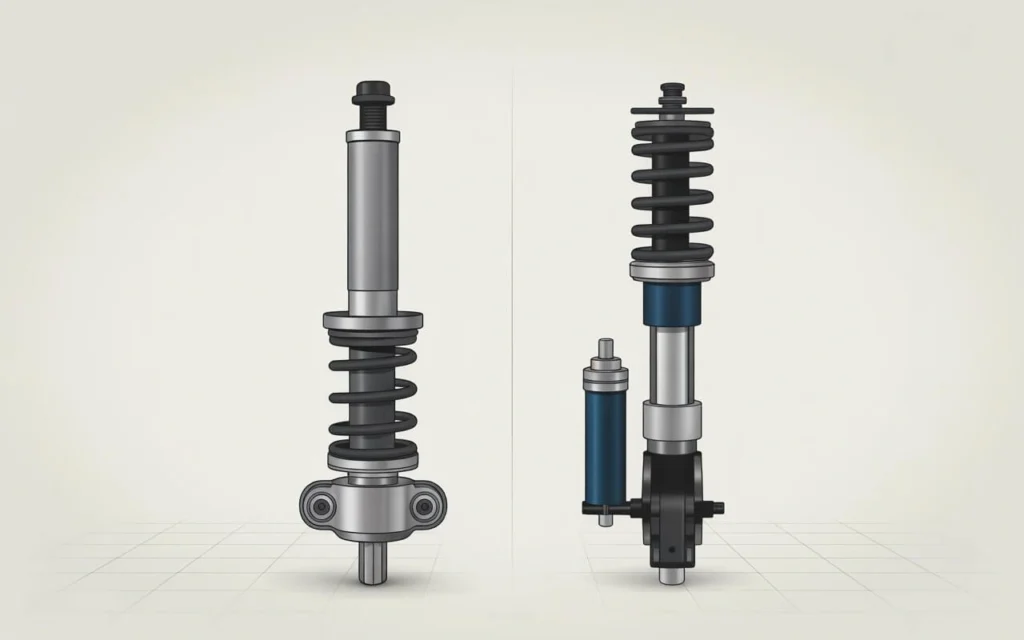
What are the two types of struts?
Struts are generally single-piece or multi-piece. Single-piece spans the full door length, while multi-piece struts provide flexibility for taller or segmented doors.
What is the most common problem with garage doors?
Sagging or bending panels is the most frequent issue, often caused by heavy doors, worn springs, or missing reinforcement struts.
Is it good to replace struts?
Yes, replacing worn or damaged struts restores door alignment, prevents bending, and prolongs the life of both the door and its opener.
How long will a strut last?
With proper installation and maintenance, steel struts can last 20+ years, while aluminum may last 10–15 years depending on usage and weather exposure.