Garage doors may look simple from the outside, but the spring system inside does most of the heavy lifting. When these springs lose balance, the entire door becomes difficult, noisy, or even unsafe to operate. Understanding how to adjust garage door springs can help restore smooth movement, but it also requires careful attention and proper safety awareness.This guide explains the process in a practical, experience-based way, covering real troubleshooting situations, safety steps, and professional insights to help you make informed decisions.
Content
How to Adjust Garage Door Springs: Understanding Their Function and Importance
Garage door systems rely mainly on two types of springs: torsion springs and extension springs. Both are responsible for balancing the weight of the door so it can open and close smoothly.
When How to adjust garage door springs is done correctly and the garage door spring tension is properly adjusted, the door feels almost weightless when lifted manually. If the tension is off, the door may slam shut or feel extremely heavy.
Torsion systems are usually mounted above the door, while extension springs run along the sides. Each system requires a different approach for adjustment, which is why identifying the correct type is the first essential step in any garage door repair guide.
Signs Your Garage Door Springs Need Adjustment
Before learning how to fix garage door spring tension problems, it’s important to recognize early warning signs. In my experience working with residential garage systems, these symptoms appear long before a full breakdown occurs:
The door feels unusually heavy when lifting manually
It closes too quickly or slams shut
The door opens unevenly or appears tilted
Loud creaking or snapping sounds occur during movement
The opener struggles or stops midway
These issues often point to imbalance in garage door balance issues, which usually trace back to spring tension problems rather than motor failure.
Tools Required for Safe Spring Adjustment
Before attempting any adjustment, preparation is critical. Having the right tools reduces risk and improves accuracy when working on How to adjust garage door springs:
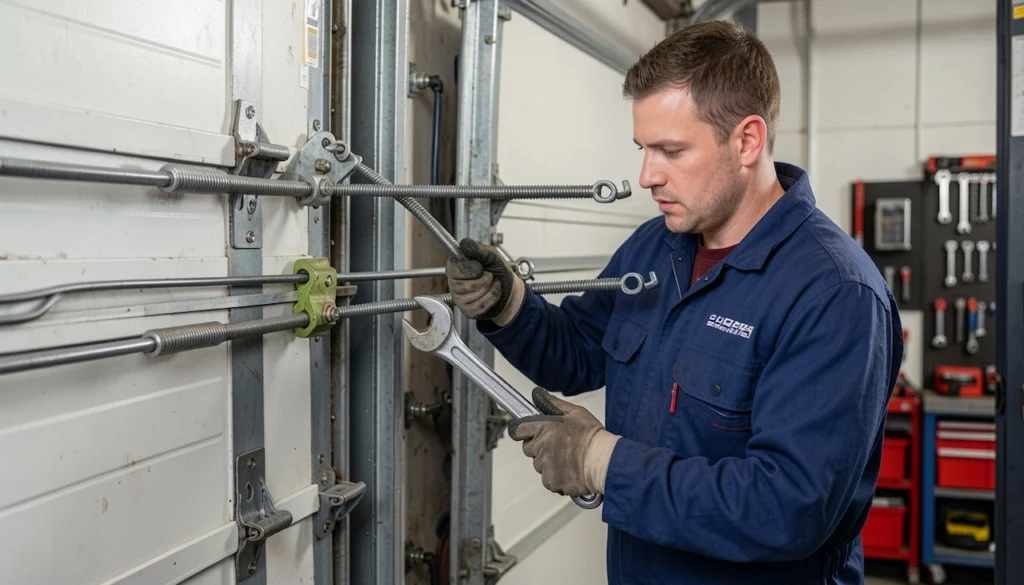
Winding bars or strong steel rods
Adjustable wrench set
Safety gloves and protective eyewear
Stable ladder with firm footing
C-clamps or locking pliers
These tools are commonly used in professional garage door maintenance tips because they help control tension safely and prevent sudden spring release.
Safety Precautions Before You Begin
Working with garage door springs is not like typical home repairs. These components are under extreme tension and can cause serious injury if handled incorrectly.
Follow these essential precautions:
Disconnect the garage door opener completely
Ensure the door is fully closed and secured
Never attempt adjustment if springs are cracked or worn out
Keep your hands and body away from tension points
Work slowly—never rush spring adjustments
A safe approach is the foundation of any DIY garage door spring adjustment without professional help.
Step-by-Step Guide: How to Adjust Garage Door Springs
1. Identify the Spring System
First, determine whether your door uses torsion or extension springs. This affects the entire adjustment process.
2. Release or Balance Tension Carefully
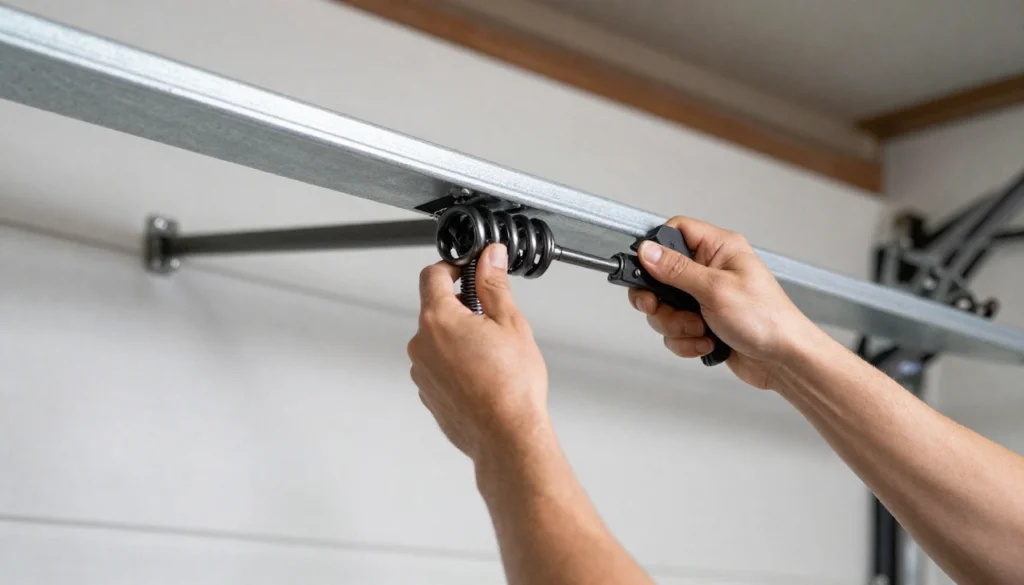
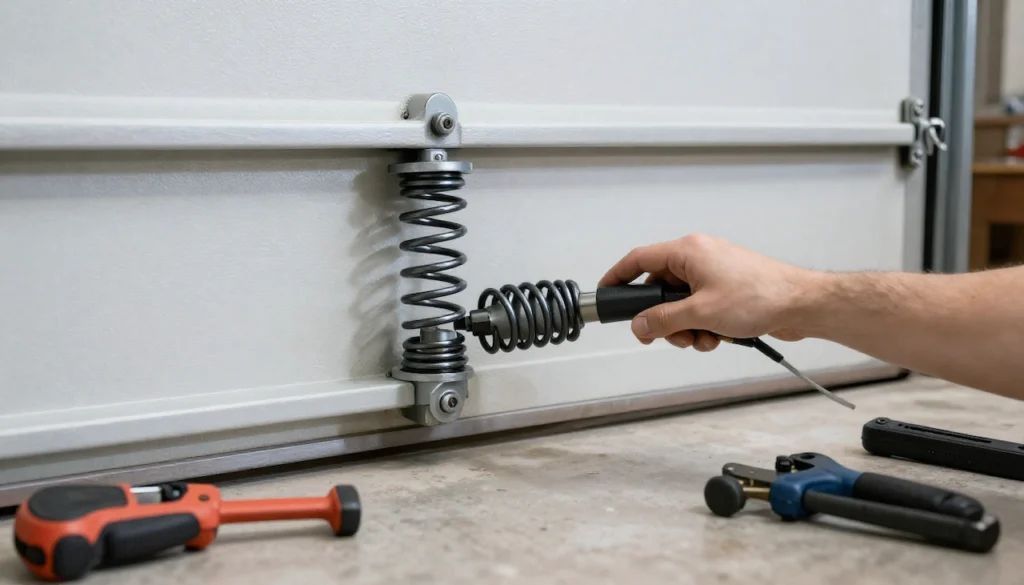
For torsion systems, tension adjustments must be done gradually using winding bars. For extension systems, adjustments involve repositioning the spring hook or pulley system. This is a key part of How to adjust garage door springs, and most torsion spring adjustment errors happen at this stage, so slow and controlled movement is critical.
3. Make Small Adjustments Only
Never make large changes at once. Adjust the tension in small increments and test frequently.
4. Test Door Balance After Each Adjustment
Lift the door halfway manually and release it. If it stays in place, the balance is correct. If it moves up or down, further adjustment is needed.This is the core method used in how to adjust garage door springs safely at home procedures recommended by technicians.
5. Fine-Tune the Movement
Once the balance is close, make minor corrections until the door moves smoothly without resistance.
How to Adjust Garage Door Springs: How to Test Garage Door Balance After Adjustment
Proper testing ensures the adjustment was successful. A well-balanced system should:
Stay in place when lifted halfway
Move smoothly without jerking
Not require excessive force to open or close
Operate quietly without vibration
This step is essential in confirming how to test garage door balance after spring adjustment has been done correctly.
Common Mistakes to Avoid
Many homeowners damage their system due to simple errors. Based on field experience, these are the most common issues:
Over-tightening springs, causing excessive lift force
Ignoring warning signs of worn-out springs
Using incorrect tools that slip under tension
Adjusting both springs unevenly
Skipping balance testing after changes
These mistakes often lead to more expensive repairs than the original issue when working on How to adjust garage door springs.
Real-Life Case Study: A Homeowner’s Spring Adjustment Experience
A recent case involved a homeowner struggling with a heavy wooden garage door. The door would only open halfway and then drop suddenly. Initially, they assumed the motor was failing.
After inspection, the issue was clearly related to garage door spring tension imbalance. The torsion springs had gradually loosened over time due to seasonal temperature changes.Instead of replacing the system immediately, a controlled adjustment was performed:
The torsion spring tension was carefully increased in small steps
The door was tested after every adjustment
Final balance was achieved within safe operational limits
The result was immediate improvement. The door opened smoothly again without strain on the motor. This case is a strong example of How to adjust garage door springs correctly, showing how proper garage door maintenance tips can extend system life significantly without full replacement.
When You Should Call a Professional
While many adjustments are possible for experienced DIY users, some situations require expert help:
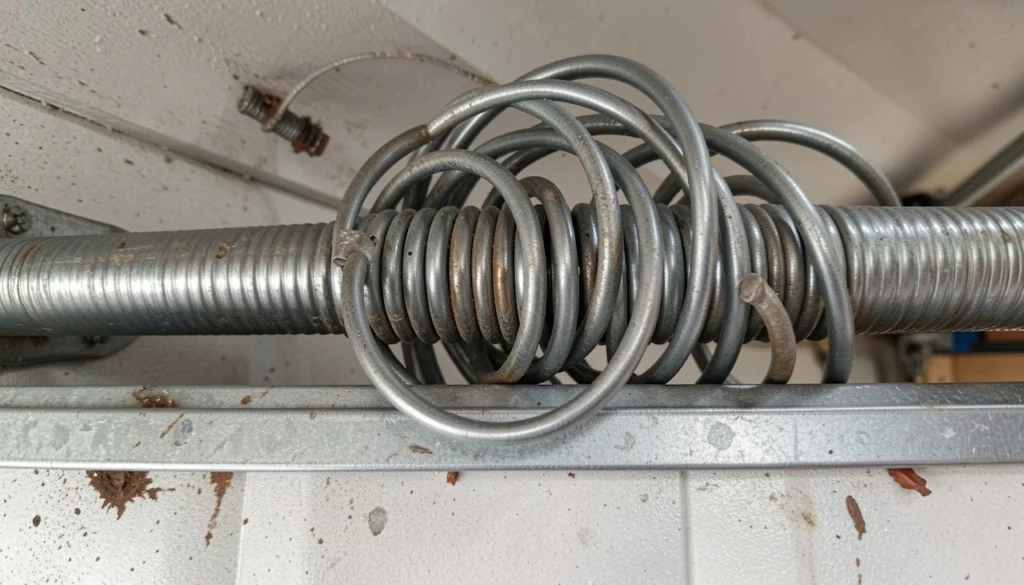
Broken or snapped springs
Extreme imbalance or warped door movement
Heavy wooden or oversized doors
Repeated failure after adjustments
Visible wear or corrosion on springs
In these cases, professional repair is safer and often more cost-effective than repeated DIY attempts.
Final Thoughts
Learning how to adjust garage door springs can help improve performance, reduce strain on the opener, and extend the life of your system. However, the process demands patience, precision, and strict attention to safety.
With the proper technique, small adjustments can solve most balance-related issues. While maintaining your garage door, it’s also a good time to inspect other components, including garage door skins, for dents, rust, or damage that could affect the door’s appearance and performance. Knowing when to stop and call a professional is just as important as making the repair itself.
A well-maintained garage door system ensures smoother operation, quieter movement, and long-term durability, helping you save both time and repair costs in the future.
FAQs
Do garage door springs lose tension over time?
Yes. Garage door springs naturally lose tension due to daily use and metal fatigue. This is one of the most common reasons homeowners need garage door maintenance tips or adjustments.
What diameter rod is used to adjust spring tension on a garage door?
Most torsion spring systems require solid steel winding bars, typically around 1/2-inch diameter. Using improper tools can cause slipping and serious safety risks.
Which direction should you tension a garage door spring?
Torsion springs are usually wound in a specific direction depending on installation (left-wound or right-wound). Always follow the manufacturer’s marking to avoid damage while learning How to adjust garage door springs safely.
Why is my garage door suddenly too heavy to lift?
This usually happens when the spring loses tension or breaks. It is a clear sign of garage door spring tension failure, making the door rely entirely on manual force or the opener.
Can you fix a garage door spring by yourself safely?
Minor adjustments may be possible for experienced users, but full repairs are risky. Springs store high energy, so improper handling can lead to injury. Many homeowners prefer professional help for DIY garage door spring adjustment without professional help cases only in simple situations.