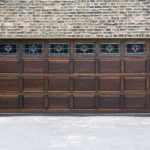
From my experience as a digital garage door expert, most homeowners underestimate how much impact a fresh coat of garage door paint can have—not just on appearance, but also on long-term protection.
Your garage door is exposed daily to sun, rain, dust, and temperature changes. Without the right protection, it starts fading, cracking, and rusting. I’ve seen doors that looked completely worn out simply because the wrong paint was used or the surface wasn’t prepared properly.Choosing the right garage door paint colors and quality coating is not just about beauty—it’s about durability, protection, and long-term savings.
Content
Garage Door Paint: Understanding the Best Options for Long-Lasting Results
When people search for the best paint for garage doors, they often assume one product fits all. But in reality, the right choice depends on material, climate, and usage.Here’s a simple breakdown based on my field experience:
Acrylic Latex Paint
Easy to apply
Dries quickly
Ideal for most residential doors
Great for UV resistance
Oil-Based Paint
Strong finish
Better for older metal doors
Longer drying time
High durability but harder to clean
Enamel Paint
Hard protective layer
Excellent for harsh weather conditions
Works well for metal garage door paint applications
Each type has its strengths, but choosing incorrectly can lead to peeling or early fading.
How to Choose Garage Door Paint for Exterior Use
One of the most common questions I get is: how to choose garage door paint for exterior use?
Here’s what I always recommend:
Start by identifying the material type (wood, steel, fiberglass) to ensure proper adhesion and durability.
Always choose a coating that is resistant to weather conditions for long-term protection.
Consider UV protection if your location experiences strong sunlight exposure.
Select a finish that complements the overall exterior design of your home.
Never ignore compatibility with primer, as it directly affects paint performance and lifespan.
In hotter climates, it’s better to use heat-resistant coatings that help prevent cracking and fading caused by extreme temperatures.
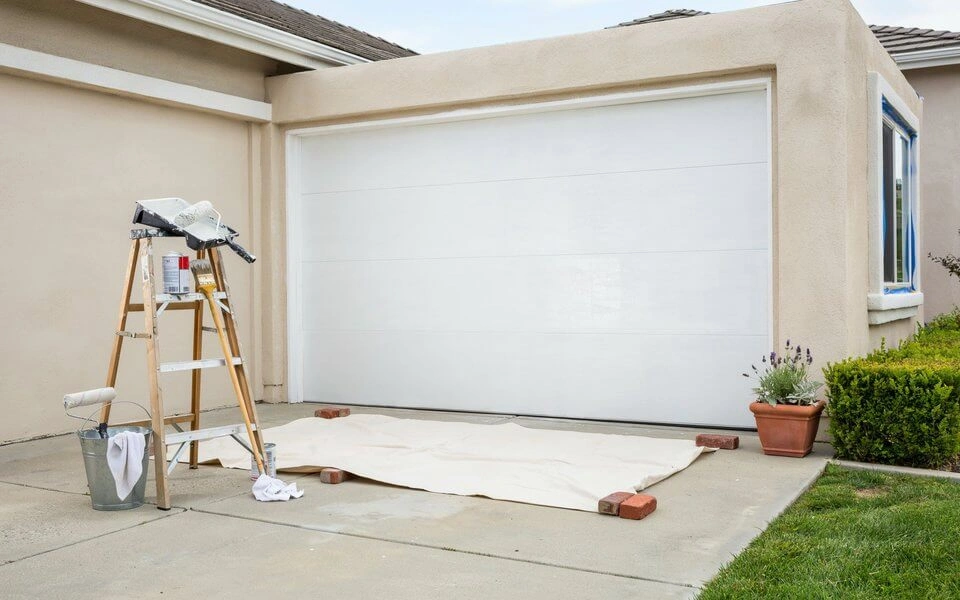
Preparing Your Garage Door Before Painting
Preparation is where most DIY projects fail. I’ve visited homes where the paint was high quality, but poor prep ruined everything.
A proper prep process includes:
Cleaning dirt and grease thoroughly
Light sanding for better grip
Removing old peeling paint
Masking handles and edges
Checking for rust (especially on metal doors)
Many homeowners ask: can you paint a garage door without sanding?
Technically yes, but I strongly advise against it. Sanding ensures better adhesion and longer-lasting results.
Do You Need a Primer Before Garage Door Paint?
Short answer: yes, in most cases.
Primer helps:
Improve paint bonding
Prevent rust on metal doors
Enhance color richness
Increase durability
If you’re working with bare metal or previously unpainted surfaces, skipping primer can reduce the lifespan of your paint job by half.
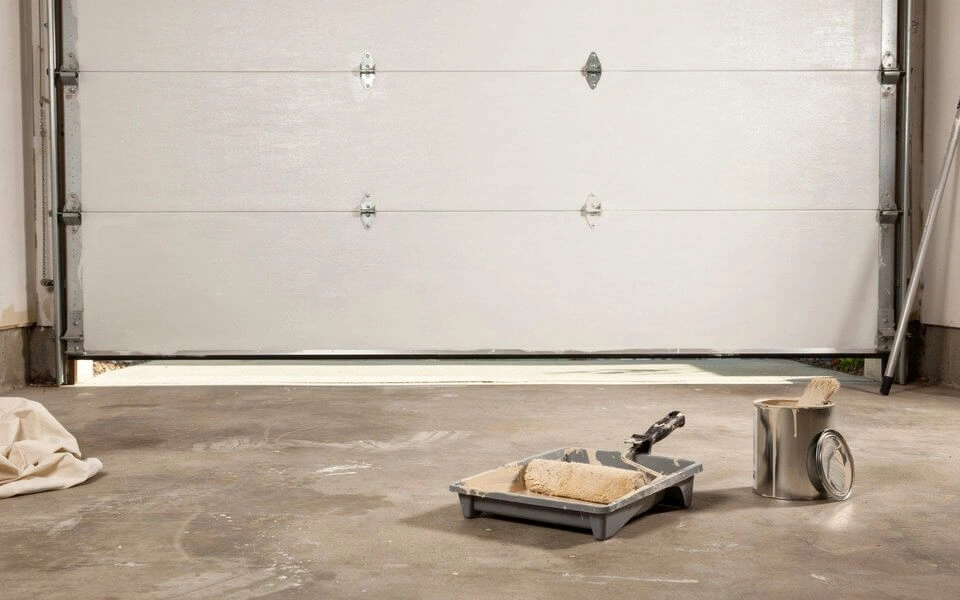
Step-by-Step Garage Door Painting Process
Based on real project experience, here is a simplified workflow:
1. Cleaning the Surface
Remove dust, oil, and debris using mild soap and water.
2. Sanding & Surface Smoothing
Light sanding improves adhesion.
3. Applying Primer
Use a compatible primer based on door material.
4. First Coat of Paint
Apply evenly using a roller or spray method.
5. Second Coat for Finish
Ensures full coverage and smooth appearance.
6. Drying & Inspection
Allow proper curing time before use.
This process is essential if you want a professional-grade finish.
Common Mistakes People Make with Garage Door Paint
From my field visits, I’ve noticed repeated mistakes:
Skipping surface preparation
Using interior paint for exterior surfaces
Applying thick layers instead of thin coats
Painting in humid or rainy weather
Ignoring drying time
These errors often lead to peeling, bubbling, or uneven finish within months.
Real-Life Case Study: A Faded Door Turned Like New
A homeowner in a suburban area contacted me because their 6-year-old steel garage door looked completely faded and rusty. They were considering a full replacement, which would have cost significantly more.After inspection, I recommended a full repaint using garage door paint designed for metal surfaces.
What we did:
Removed rust spots
Sanded entire surface
Applied rust-resistant primer
Used high-quality metal garage door paint
Finished with UV-protective coating
Result:
Within 48 hours, the garage door looked brand new. The homeowner later said it increased their home’s curb appeal dramatically, and neighbors thought it was a replacement door.This is a perfect example of how the right paint and technique can completely transform appearance without full replacement.
Maintenance Tips for Long-Lasting Finish
To extend paint life, follow these practical tips:
Wash the door every 2–3 months
Inspect for chips or cracks regularly
Touch up small damaged areas early
Avoid pressure washing too close to the surface
Repaint every 5–7 years depending on exposure
Proper maintenance ensures your investment lasts longer and maintains curb appeal.
Garage Door Paint vs Stain: Which Is Better?
Another common comparison is garage door paint vs stain which is better.
Paint: Better protection, wider color options, more durability
Stain: Natural look, mainly for wood doors, less protective
For most homeowners, paint is the better long-term solution, especially for exterior exposure.
Cost Considerations for Garage Door Painting
The cost depends on:
Door size
Paint quality
Labor vs DIY
Surface condition
DIY is cheaper but requires time and skill. Professional work costs more but ensures longer-lasting results and fewer mistakes.
Final Expert Insight
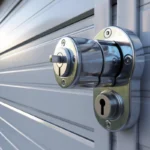
From my experience working with countless homeowners, the secret to a perfect finish is not just choosing the right garage door paint, but also focusing on preparation, technique, and maintenance. A well-painted garage door doesn’t just improve appearance—it increases home value, protects the surface, and reduces long-term repair costs. While updating your garage door, it’s also a good idea to inspect and maintain important hardware such as Garage door locks to ensure security and proper functionality. If done correctly, it’s one of the most cost-effective home upgrades you can make.
FAQs
What type of paint works best for exterior garage doors and long-lasting durability?
Acrylic latex and enamel-based paints work best because they offer strong adhesion, weather resistance, and long-term durability on exterior surfaces.
Which paint option provides the most durable and weather-resistant finish for garage doors?
Enamel and high-quality exterior acrylic paints provide the most durable finish, especially against rain, UV rays, and temperature changes.
What is the top-rated paint choice for achieving a smooth and protective exterior finish?
Acrylic latex paint with a primer base is commonly considered the top choice for a smooth, protective, and easy-to-maintain finish.
Does painting a garage door improve durability, protection, and overall home appearance?
Yes, painting improves protection against rust, weather damage, and fading while also enhancing curb appeal significantly.
Is primer necessary before painting a garage door for better adhesion and lifespan?
Yes, primer is highly recommended because it improves paint bonding, prevents peeling, and increases overall lifespan of the finish.